
You’ve got a radon mitigation system installed, but how can you tell if it’s actually working? Many homeowners assume the system runs automatically without issues, but fans can fail, seals can loosen, and radon levels can rise again over time. Instead of guessing, follow these steps to check whether your radon mitigation system is working correctly and protecting your home as intended.
Test or retest your home.
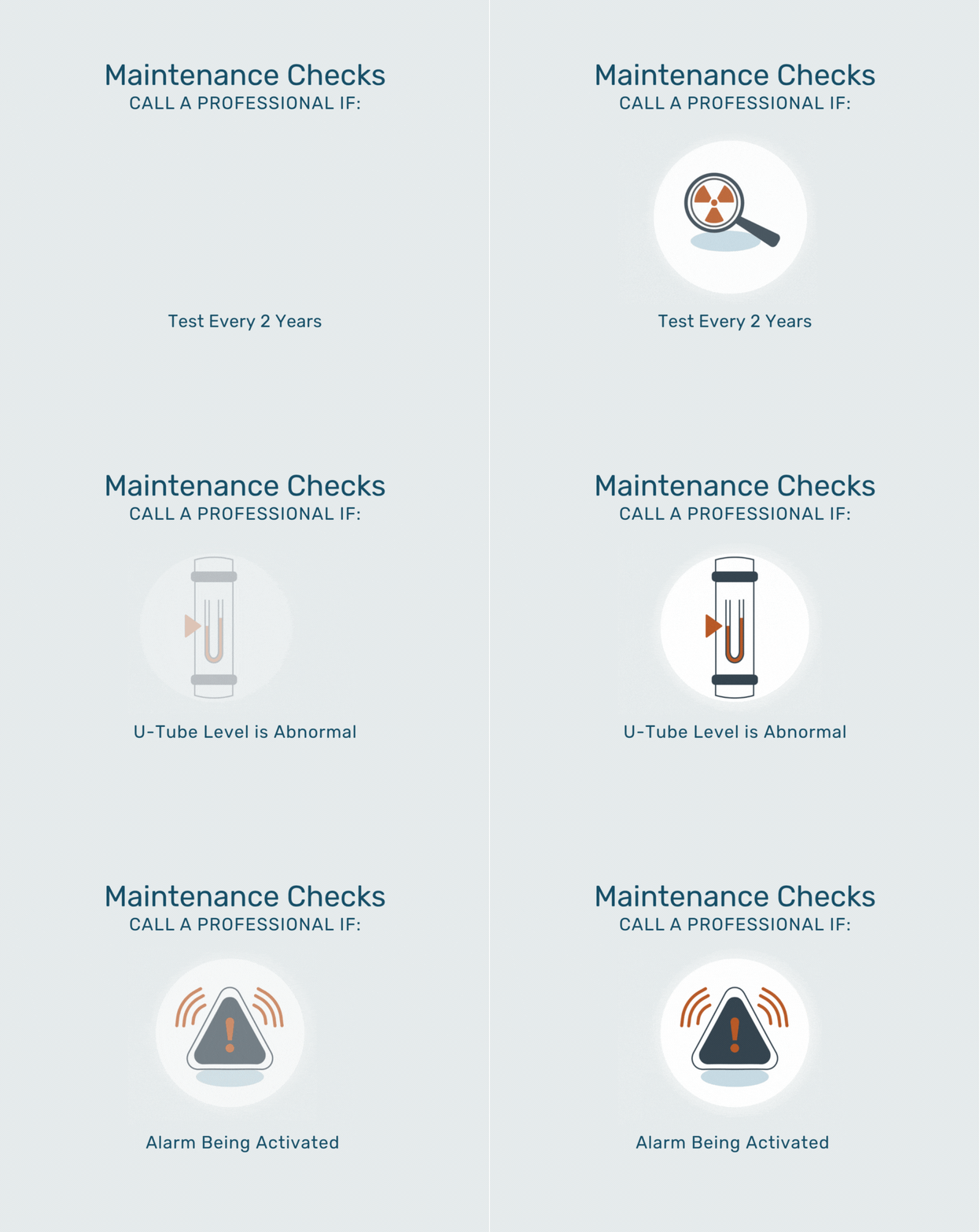
The most reliable way to confirm that a radon mitigation system is working properly is to test or retest your home. The EPA recommends retesting every two years, or sooner if you’ve made major changes to your home’s structure or mechanical systems.
We also recommend using certified radon measurement professionals to provide you with a more detailed radon report and a radon mitigation system inspection. Any way you choose to test, if your levels are low throughout your home, that is your first indication that the system is doing its job. If the levels are elevated, contact a certified professional to diagnose what’s going on and provide maintenance services to get your system running properly.
Signs your radon system might need maintenance
Some things to watch out for after a radon mitigation system installation that would require maintenance include:
1. If the fan is off.
Check to see if the fan is plugged in and turned on. Make sure the breaker is not thrown. If the U-tube is on 0 and plugged in, then call our radon professionals to request maintenance on your system.
2. Fan noise changes or becomes loud.
Radon fans normally produce a low, steady hum. Sudden changes in sound or excessive noise may indicate a problem. Gurgling noises during heavy rain can be normal, but persistent loud sounds should be inspected by a professional.
3. System seal changes or leaks.
Check the U-tube and check the seals at the base of your system as well as around your sump pump (if applicable) to make sure there are no air leaks. Do this by running your hand along seams to see if you can feel air escaping.
4. If a pipe or fan is damaged.
Storms, falling branches, or exterior damage can compromise pipes or the fan itself. Any visible damage should be addressed by a certified radon mitigation professional as soon as possible.
Check the system’s monitor.
Most active radon mitigation systems include a manometer, indicator light, or alarm. Make it a habit to check this regularly. Each monitoring device comes with instructions that explain how to confirm the system is running properly.
If your system does not have a monitor, consider having one installed. A monitor provides an easy way to verify that the radon fan is operating as intended.
Note: passive radon mitigation systems typically will not have a monitor because they do not have an active radon vent fan. Your best way to monitor your passive radon system is to do radon tests during the different seasons of the year or long term tests. If your radon levels are high, you can activate the passive radon system.
Is your radon mitigation system alarm going off?
If you need to reset your radon mitigation system alarm, follow these instructions.
Check the exhaust location.
Proper exhaust placement is essential for preventing radon re-entry into the home. The vent should exhaust at least ten feet above ground level and four feet above any nearby window, door, or opening into conditioned space within ten feet. It should also be positioned away from mechanical intakes, such as evaporative coolers.
These guidelines help ensure radon gas is safely dispersed outdoors rather than re-entering the building at breathable height.
Check that the radon system covers the entire home.
If you have a multi-level home, crawlspace, addition or just a lot of square footage, a simple radon system with one pipe and a fan may not be the right system for your home.
Usually, in homes and buildings that have more than one footprint, a radon mitigation system composed of multiple suction points is required. Conduct a radon test in multiple locations around your home and the basement as well as a room above the crawlspace or slab on grade if you have one.
If the radon system wasn’t installed for the entire footprint, you could still be at risk for radon entry.
There are several ways to check if your radon mitigation system is working properly. Working with experienced radon mitigation professionals ensures you have a system that’s installed correctly and will protect your family from radon gas. Contact our team at Protect Environmental to test your home for radon, install a radon mitigation system, or address any issues you may have with a previous installation.
Inspect My Radon System!
Make sure your radon system continues to function properly so that your indoor air is safe from radon gas.

