
Radon is one of the most common indoor air quality concerns homeowners search for, yet it is also one of the least understood. Because radon is invisible and odorless, many people do not realize it may be present in their home until they start asking questions.
This guide answers the most frequently asked questions about radon symptoms, radon levels, radon testing, and what steps may come next. The goal is not to create fear, but to provide clear information so homeowners can make informed decisions based on their specific situation.
What Is Radon Gas and Why Does It Matter?
Radon is a naturally occurring radioactive gas released from the breakdown of uranium in soil and rock. It moves upward through the ground and can enter homes through cracks in foundations, gaps around pipes, sump pits, crawl spaces, and other openings.
Radon becomes a concern when it builds up indoors. Long-term exposure to elevated radon levels has been linked to lung cancer, which is why national health organizations continue to emphasize awareness and testing.
According to the U.S. Environmental Protection Agency, radon is the second leading cause of lung cancer overall and the leading cause among non-smokers.
For a general overview of what radon is, you can also explore our radon education resources here.
What Are the Symptoms of Radon Exposure?
One of the most common questions homeowners ask is whether radon causes noticeable symptoms.
Are There Physical Symptoms of Radon in the Home?
Radon does not cause immediate or obvious physical symptoms. You cannot see it, smell it, or taste it. This is why radon is often described as a hidden indoor air risk.
How Long Does It Take for Radon to Affect Health?
Health effects associated with radon are linked to long-term exposure, not short-term contact. The risk increases the longer a person is exposed to elevated levels over time.
Is It Safe to Live in a House With Radon?
Safety depends on the radon level and how long exposure occurs. Because there are no warning signs, testing is the only way to understand potential risk.
Is Radon Risk Overblown?
Radon risk is widely studied and recognized by organizations such as the EPA, the Centers for Disease Control and Prevention, and the National Cancer Institute. While not every home has high radon levels, testing helps remove uncertainty.
Radon Levels Explained
Understanding radon numbers helps homeowners interpret test results with more confidence.
What Is pCi/L and How Is Radon Measured?
Radon levels are measured in picocuries per liter of air, written as pCi/L. This is the standard unit used to measure the concentration of radon indoors.
You can learn more about how radon is measured here.
At What Level Is Radon Considered a Concern?
The EPA recommends taking action when radon levels reach 4.0 pCi/L or higher. This recommendation is based on long-term health risk data.
Is 4.0 pCi/L Considered High?
Levels at or above 4.0 pCi/L are considered elevated and may warrant mitigation. Some homeowners choose to take action at lower levels as well, depending on personal risk factors and comfort level.
Do Any Homes Have Zero Radon?
Because radon occurs naturally, completely eliminating it is uncommon. Levels can vary widely even between neighboring homes.
Where in a Home Are Radon Levels Usually Highest?
Radon levels are often highest in basements, crawl spaces, and lower living areas because radon enters from the ground below the home.
How Common Is Radon in Homes?
Do Most Homes Have Radon?
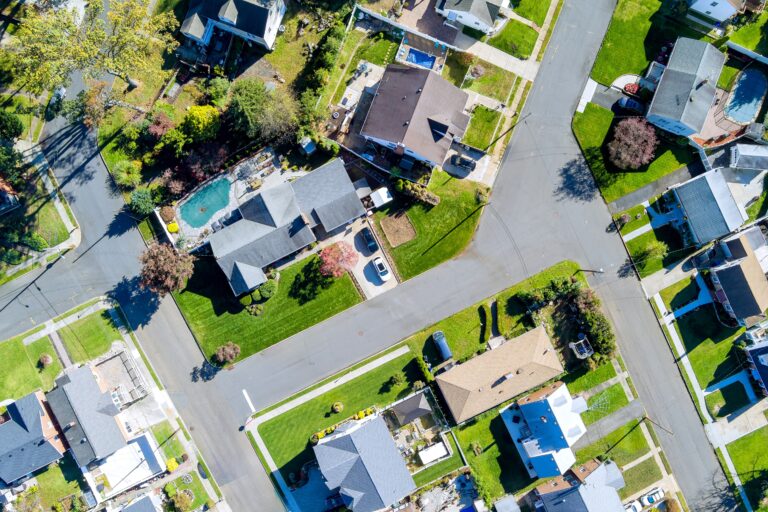
Radon has been detected in homes across every state. While not all homes have elevated levels, no region is completely free from radon.
What Types of Homes Are More Likely to Have Radon?
Radon levels are influenced by factors such as soil composition, foundation type, construction details, and airflow patterns.
Do New Homes Have Radon?
Yes. New homes and older homes can both have radon. Newer construction does not eliminate radon risk.
Is Radon More Common in Certain Areas?
Some regions have higher average radon potential, but individual homes within the same area can have very different radon levels.
Radon Testing FAQs
Is Radon Testing Really Necessary?
Because radon cannot be detected by sight or smell, testing is the only way to know if radon is present and at what level.
How To Test for Radon?
Radon testing can be done using short-term or long-term radon tests. Each provides different insights depending on testing duration and conditions.
How Accurate Are Radon Tests?
Accuracy depends on proper placement, testing conditions, and following instructions. Professional radon testing can help reduce variables.
Can You Test for Radon Yourself?
Homeowners can use DIY radon test kits, but professional testing may provide additional assurance in certain situations.
How Often Should You Test for Radon?
Testing is recommended every 2 to 5 years to help ensure your home’s radon levels remain within a safe range.
What Can Affect Radon Levels in a Home?
What Time of Year Are Radon Levels Highest?
Radon levels are often higher in colder months when homes are sealed and indoor air circulation is reduced.
Does Opening Windows Reduce Radon?
Opening windows may temporarily lower radon levels, but it is not a long-term solution.
Do Air Purifiers Remove Radon?
No, air purifiers are not designed to remove radon gas.
Does Sealing Cracks Prevent Radon Entry?
Sealing can help reduce entry points, but it typically does not eliminate radon on its own.
Does Finishing a Basement Change Radon Levels?
Changes to airflow and pressure can affect radon levels, which is why testing after renovations is important.
What To Do If Radon Levels Are Elevated
Can Radon Be Reduced?
In many cases, radon levels can be reduced. Results vary based on the home and existing conditions.
How Is Radon Typically Mitigated?
Radon mitigation systems are designed to redirect radon gas away from the home before it accumulates indoors.
Can Radon Be Completely Removed?
Mitigation focuses on reducing radon levels rather than guaranteeing elimination.
Who Should Install a Radon Mitigation System?
Qualified radon professionals are trained to evaluate homes and design systems appropriate for each structure.
Radon Mitigation Considerations
What Factors Influence Radon Mitigation Needs?
Mitigation needs depend on radon levels, home size, foundation type, layout, and whether a basement or crawl space is present.
Is Radon Mitigation the Same for Every Home?
No. Each home behaves differently, which is why systems are designed based on individual conditions.
How Long Do Mitigation Systems Typically Last?
System lifespan depends on design, installation quality, and ongoing maintenance.
When to Test and When to Take Action
When Should Homeowners Test for Radon?
Radon testing is commonly recommended during colder months, before buying or selling a home, and after major changes to the structure. Because radon levels can change over time, periodic testing helps homeowners stay informed about their indoor air.
What Happens After a Positive Radon Test?
After receiving elevated results, homeowners typically review the findings and consider professional guidance to understand what the numbers mean for their specific home. In some cases, a radon mitigation system may be recommended to help reduce radon levels based on factors such as the home’s layout, foundation type, and test results.
You can learn more about how radon mitigation systems work and when they may be appropriate here.
Final Thoughts
Radon questions are common, and concern is understandable. Because radon behaves differently in every home, assumptions can be misleading. Testing provides clarity, and understanding results helps homeowners make informed decisions.
Staying informed, testing when appropriate, and relying on trusted sources are the most effective ways to protect indoor air quality over time.
Test My Home!
Professional radon testing is the first step to making your home a safe place to breathe.

