What Is Mold?

Mold is a common part of every home’s environment. Here’s what it is, why it grows, and how to know if you have a problem.

Reviewed by an Expert
General Manager, Louisville · Radon, Mold & Indoor Air Quality Specialist
Kentucky & Southern Indiana

Mold is a living organism that grows wherever moisture, air, and organic material meet. Indoors, it spreads by releasing microscopic spores that settle on damp surfaces like drywall, wood, or carpet and begin to grow. Because mold needs moisture to survive, controlling moisture is the key to controlling mold.

Where Mold Comes From

Mold is a natural part of the environment. Outdoors, it breaks down dead leaves and fallen trees. Indoors, it becomes a problem when spores land on a wet surface and start to grow. According to the EPA, there are many types of mold, and none of them can grow without moisture. That single fact shapes everything about how mold is prevented and removed.

Why Is Mold Growing in My Home?

Mold follows water. It appears when the conditions are right: a leak, flooding, high humidity, or condensation that never fully dries. The EPA notes that if a wet area is dried within 24 to 48 hours, mold usually will not grow at all. Once moisture lingers past that window, spores that are always in the air have what they need to take hold.

Common triggers:

Roof and plumbing leaks

Poor ventilation in bathrooms and basements

Humidity that stays above 60 percent

This is why mold is best understood as a symptom. The visible growth is what you notice, but the moisture behind it is what has to be solved. Learn more on our mold remediation page.

What Does Mold Look and Smell Like?

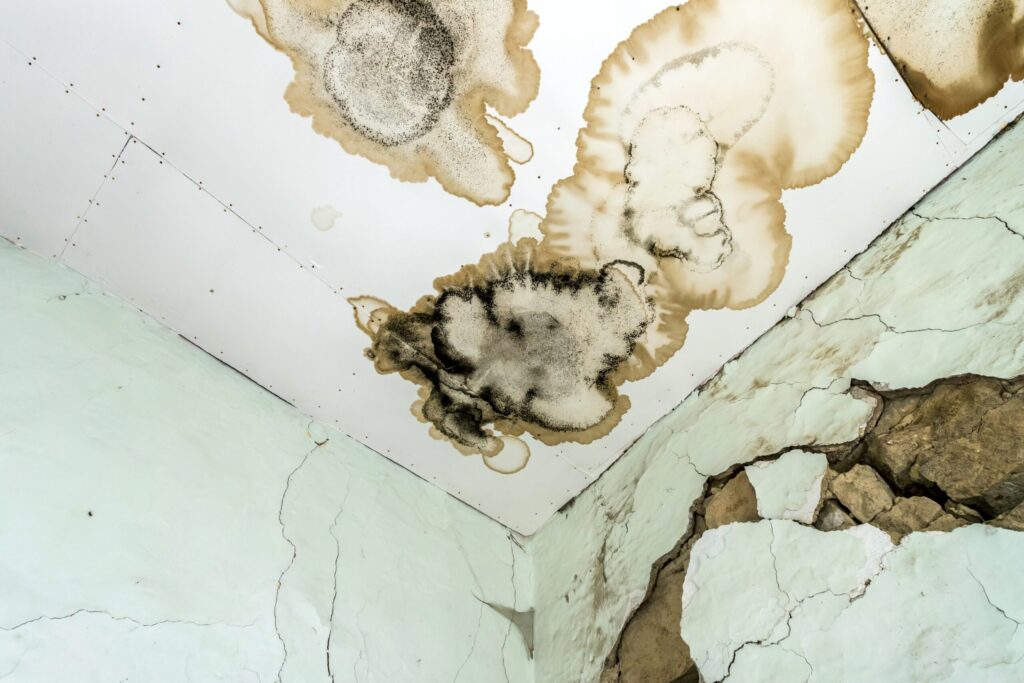
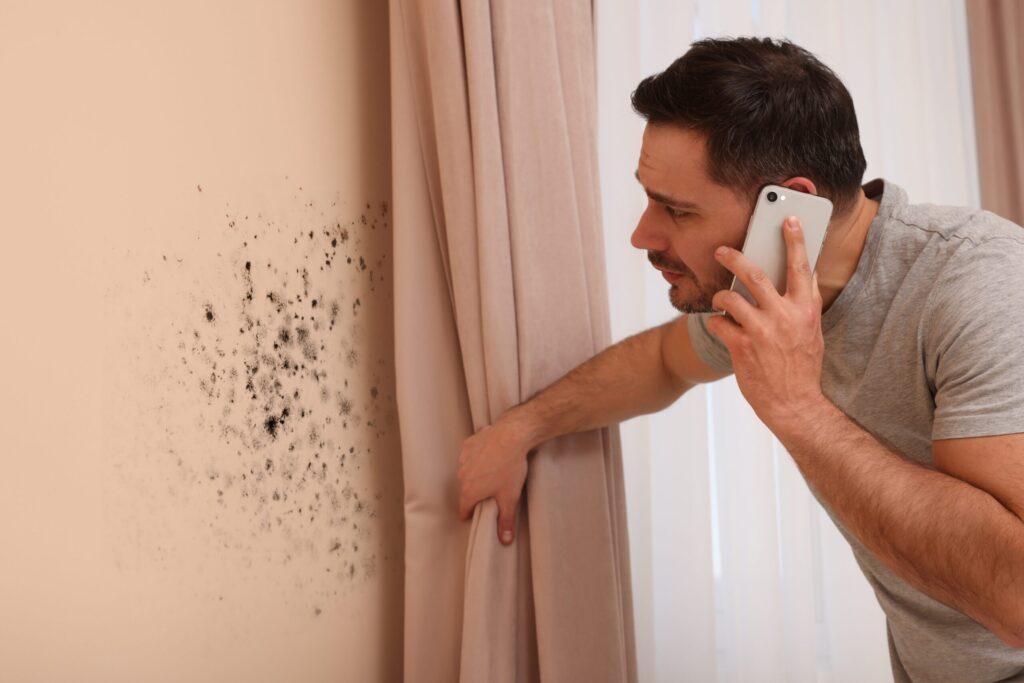
Mold is not always obvious. Sometimes you see it: discoloration on walls or ceilings, dark spots, fuzzy patches in white, green, gray, or black. Just as often, you smell it first. A persistent, musty odor is one of the most reliable early signs.

Signs of hidden mold:

  • Water stains or discoloration on walls, ceilings, or floors
  • Peeling paint, bubbling, or warping
  • A recent leak, flood, or plumbing problem
  • Surfaces that stay damp or humid

Is Mold Dangerous?

This is the question most people have, and it deserves a straight answer. Mold can affect indoor air and the comfort of your home, and some people are more sensitive to it than others. The CDC notes that reactions vary from person to person, which is why there is no single “safe” level that applies to everyone.

"What the guidance agrees on is simpler: no matter the type of mold, if it is growing indoors, it should be removed, and the moisture feeding it should be corrected."

Do I Need to Test for Mold?

Usually not. The CDC does not generally recommend testing, because whatever the type, mold still has to be removed, and there is no agreed standard for how much is acceptable in a home. If you can see or smell mold, testing rarely changes what needs to happen next.

"What matters more is finding the moisture source and understanding how far the mold has spread. That is what an on-site inspection is for, and where we focus."

How Is Mold Removed?

Getting rid of mold for good is a two-part job: remove the mold, and fix the moisture that caused it. The EPA is clear that moisture control is the single most important step, because cleaning mold off a surface without addressing the water simply invites it back.

"Professional mold remediation contains the affected area so spores do not spread, removes the mold at its source, and addresses the moisture behind it. For a home with mold, that is the path to a result that lasts."

01

Contain

02

Remove

03

Fix the Moisture

Mold FAQs

Mold grows when moisture meets an organic surface like drywall, wood, or carpet. The moisture can come from a leak, flooding, high humidity, or condensation that never fully dries. Mold spores are always present in the air, so once a surface stays damp, they have everything they need to take hold.

No. Mold comes in many colors, including white, green, gray, and black, and color alone does not tell you how serious it is. What matters is that mold is growing indoors at all. Whatever the type or color, mold on an indoor surface should be removed and the moisture behind it corrected.

No. Mold will not disappear while the moisture feeding it remains, and it tends to spread rather than fade. Even if a surface dries out, the mold can become dormant and return once dampness comes back. Lasting removal means taking out the mold and fixing the moisture source together.

Mold can begin growing within 24 to 48 hours of a surface getting wet. This is why acting quickly after a leak or flood matters. If the area is dried thoroughly within that window, mold often will not grow at all. Beyond it, the risk rises the longer moisture remains.

Yes, if the moisture that caused it is not addressed. Removing visible mold without fixing the leak, humidity, or condensation behind it usually leads to regrowth. That is why professional remediation focuses on both: removing the mold and correcting the moisture source so the problem does not simply return.

Talk to Protect Environmental About Mold

If you have found mold or suspect it, we can help you understand what you are dealing with and what removing it involves. Our mold remediation follows the IICRC S520 standard for professional mold removal. For mold services in New Jersey, our sister company RAdata can help.

Find Your Local Office

What's Your Radon Risk?

Enter your zip code to learn about the radon levels near you.

what's your radon risk?

0% APR

FOR 24 MONTHS

Finance Your Radon Mitigation Installation

Offer Ends: 2/29/24

USE CODE: LoveYourLungs