
Professional full-service radon solutions for a healthy, safe, and clean home.
RADON MITIGATION SERVICES
Check out our library of resources for more on creating healthy and safe indoor environments in your community.
What's your radon risk?
Creating healthy, safe, and clean indoor environments nationwide.
NaTIONAL PARTNERSHIP
Be a part of something amazing! Join our growing team to help us create safe and sustainable indoor environments across the United States.
what's your radon risk?
Creating healthy, safe, and clean indoor environments nationwide.
what's your radon risk?
A professional mold inspection is the first step to solving a mold problem. We come to your home, find the mold, trace the moisture behind it, and give you a clear plan forward.
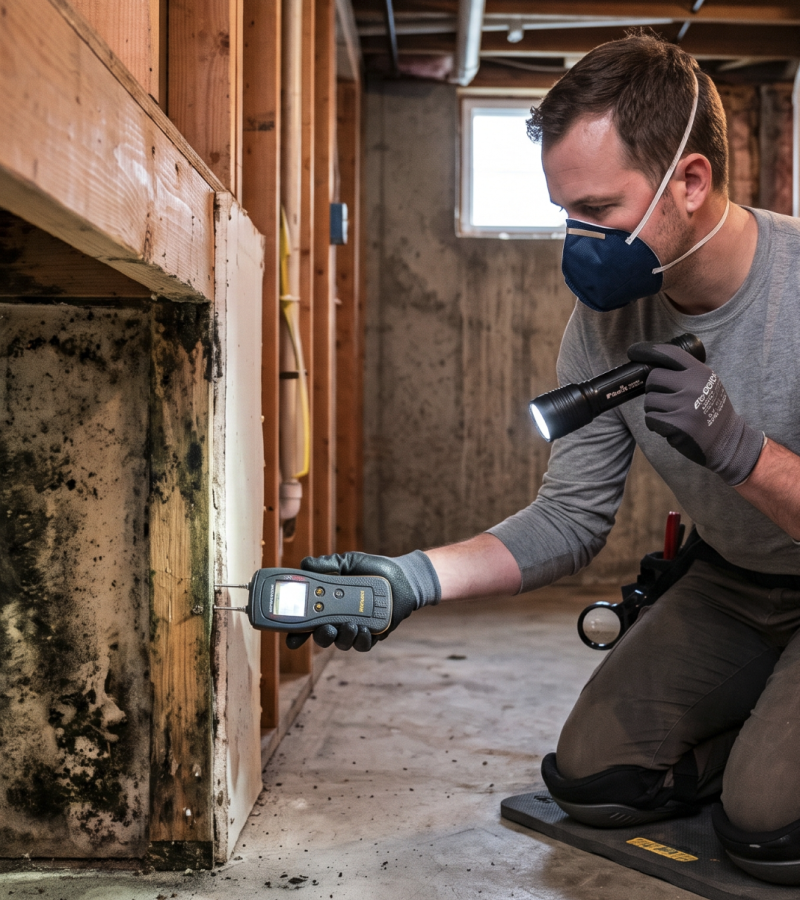
A mold inspection is a professional, on-site assessment that finds where mold is growing, traces the moisture causing it, and determines how far it has spread. Using visual inspection and moisture readings, a technician identifies the problem and its source, then provides a written plan for removing it.
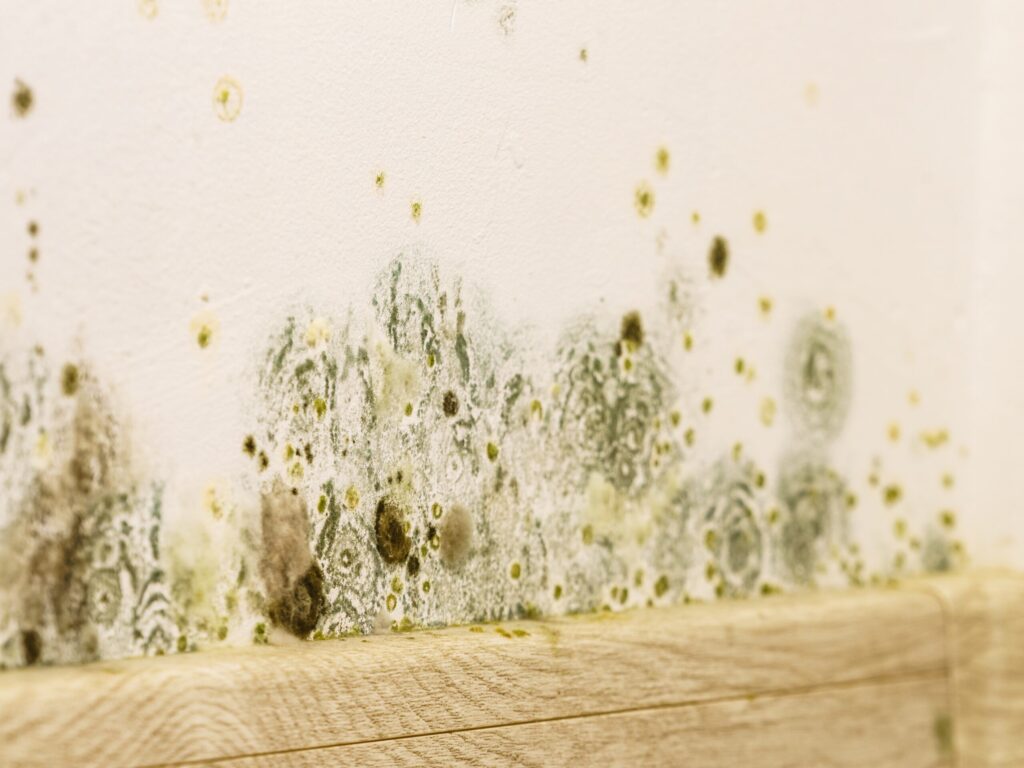
Mold is a living organism that grows wherever moisture meets an organic surface like drywall, wood, or carpet. It spreads by releasing spores into the air, so a small problem can grow if the moisture behind it is not addressed.
That is the whole reason an inspection matters. Finding the mold is only half the job; finding the moisture feeding it is what makes removal last. Want the full picture first? Read our What Is Mold guide.
If you can see mold or smell a persistent musty odor, it needs to be addressed. Mold usually leaves clues, and an inspection confirms how far it has spread and what removing it will take.
You may need a mold inspection if you have noticed:
If any of these sound familiar, a professional on-site look is the reliable next step.
People often use these terms interchangeably, but they are different. Mold testing collects samples for a lab to identify the type of mold. A mold inspection is a hands-on assessment that finds the mold, locates the moisture behind it, and defines what needs to be done.
We focus on inspection and remediation rather than lab testing, and the reason is practical. Whatever the type, visible or spreading mold needs to be removed and the moisture corrected. An inspection tells us exactly what to do about it, which is what moves your problem toward a solution.
Every home is different. We work with you at each step to understand the problem and plan the right solution.
We arrange a convenient time for our technician to visit. If you are in a real estate transaction, we can work around your closing timeline.
Our technician inspects the affected areas, identifies where mold is present, and uses moisture readings to trace the source causing it.
We assess how far the mold has spread and what is driving it, so the plan addresses the real cause, not just the surface.
You receive a clear, written plan covering what we found, the moisture source, and exactly what remediation involves, before any work or commitment.
Once we understand the problem, professional mold remediation removes the mold at its source and addresses the moisture behind it, so it does not simply return.
Expert inspection and remediation from trusted professionals who treat the mold and the moisture behind it, for any home.
We find the mold and trace the moisture on-site.
You get a clear written plan before any work begins.
We contain the area and remove mold at its source.
We focus on the moisture source so the result lasts.
Our team has completed thousands of projects across all 50 states and 2 U.S. territories since 2005, with a track record of doing the job right.
We follow the IICRC S520 standard for mold remediation and bring the same building-science expertise we’re known for in mold and moisture.
We partner with you from inspection through removal, with a clear plan and no surprises.
We currently offer mold inspection and remediation in Louisville and Lexington, Kentucky.
In New Jersey, mold services are provided by RAdata.
A mold inspection is an on-site assessment where a technician identifies where mold is present, uses moisture readings to trace the source causing it, and determines how far it has spread. You then receive a written plan describing what was found and what remediation involves.
No. Mold testing sends samples to a lab to identify the type of mold. A mold inspection is a hands-on, on-site assessment that locates the mold, finds the moisture behind it, and defines the scope of work. Because mold needs removing regardless of type, we focus on inspection, not sampling.
Most mold inspections take from one hour to a few hours, depending on the size of the home and how widespread the moisture and mold are. Larger properties or hidden mold behind walls can take longer. Your technician gives you a clearer estimate when scheduling.
A standard home inspection is not a mold inspection. General home inspectors may note visible moisture or obvious mold, but a dedicated mold inspection goes further, locating hidden growth, tracing the moisture source, and defining what removal requires.
Cost depends on the size of your home, how accessible the affected areas are, and how widespread the mold and moisture are. We provide a clear scope after the on-site assessment, before any work begins.
In most cases, yes. Even widespread mold can usually be removed when the affected materials are properly treated or replaced and the moisture source is corrected.
Fixing the moisture that caused it. Removing visible mold without addressing the leak, humidity, or condensation behind it usually leads to regrowth. Lasting results come from correcting the moisture source alongside removing the mold.
If you have found mold or suspect it, we will help you understand what you are dealing with and what removing it involves.
Enter your zip code to learn about the radon levels near you.