
Buying or selling a home can be a long process with many steps, and the inspection phase often raises unexpected questions. When radon appears in the inspection report, one of the most common concerns is who pays for radon mitigation. Is it the buyer or the seller?
The shortest answer: there are options! Usually, the cost of mitigation falls on the home seller. However, there are a few ways that this can play out. Stay with us, we’ll unpack those options a little further down the page.
Whichever side of the real estate transaction you are on, your hopes are high for everything to go smoothly through the final closing. Maybe you are buying a home and have finally put in an offer on the one you have been dreaming about. Alternatively, maybe you are selling your home and are eager to start seeing those offers come in.
The inspection report can come back with costly fixes and unexpected expenses. One critical measurement that should be taken during the home inspection process is testing for radon.
Chances are if you have ever heard of radon, it is because it came up during the process of buying or selling your home. If you have never heard of radon before, you are not alone. Most people do not know what it is or why it is harmful.
First of all, is radon actually something to be concerned about?
Radon is not something you want in your home, especially at elevated levels. It is a naturally occurring gas, which means it cannot be eliminated entirely. However, the lower the radon level inside a home, the better it is for long-term health.
Why? Radon is a radioactive gas that causes cancer and can be present in any home, whether it is old or newly built. Because radon has no smell, taste, or color, it can go completely undetected without proper testing. The gas forms naturally as uranium breaks down in the soil beneath homes.
Once formed, radon can enter a house through cracks in the foundation, gaps around pipes, crawlspaces, and other openings. When radon is inhaled over time, it can damage lung tissue and significantly increase the risk of lung cancer.
Each year, radon is responsible for more than 21,000 deaths in the United States. It is the leading cause of lung cancer among non-smokers and second only to smoking overall. Because of these risks, radon testing and mitigation are especially important during a real estate transaction, when health concerns and long-term safety should be addressed before closing. Learn more about radon and the symptoms of radon gas poisoning.
Radon in a typical real estate transaction:
- Home buyer submits an offer.
- Home seller accepts the offer. *
- Home buyer orders a home inspection.
- The contract is contingent upon inspection.
- A radon test should be conducted during the inspection period at the request of the buyer.
- Radon test results are provided.
- The EPA recommends mitigation at 4.0 pCi/L or more.
- Depending on the radon test results, the home buyer may request for the home seller to provide a mitigation system.
* In some states, the seller is required to disclose if they have tested for radon, the results of any testing that has been conducted, and if a mitigation system is installed on the home.
The risks of buying or selling a home with high radon levels
When Buying:
- The combination of high radon levels and no mitigation system puts you and your family at risk of radon exposure.
- A mitigation system presents an unwanted (but necessary) additional expense to be considered when purchasing the home (average cost of $1,200 to $2,500, depending on the home).
- If a mitigation system is installed or was previously installed, ensuring the system continues operating correctly long-term to keep your radon levels in check.
When Selling:
- Not accommodating a radon mitigation system can risk the sale contract falling through.
- A mitigation system presents an unwanted additional expense (average cost of $1,200 to $2,500, depending on the home).
- Liability of installing the cheapest system before closing may not protect the buyers long-term if a faulty system is installed.

Should you buy a home with radon?
Finding radon during a home inspection does not mean you should walk away from the purchase. A properly installed radon mitigation system is a proven and effective solution for reducing radon levels.
A typical mitigation system uses an active fan and vent pipe to pull radon gas from beneath the home and release it safely above the roofline. When installed correctly, these systems can significantly lower indoor radon levels.
If the home already has a mitigation system, it is still important to perform a radon test and system inspection. Fans can fail over time, and seals can weaken, allowing radon levels to rise again.
If the home you are buying does not have a radon mitigation system installed, and the radon test comes back elevated (the EPA recommends mitigation at 4.0 pCi/L or more), you will want to have a system installed to reduce your risk of exposure.
The sellers of the home may have already tested for radon in the past. Depending on the state you live in, the home sellers could be legally obligated to disclose the radon levels of the home. However, radon levels can fluctuate due to weather, seasonal changes, or home renovations, so it is still advised to perform another radon test during your home inspection. In fact, homes with a radon mitigation system should be tested every two years to confirm radon concentrations remain below the action level.
For real estate transactions, the radon test is conducted during the inspection period. Most home inspectors offer a professional radon test as an additional service. The radon test expense is most often covered by the home buyer along with the inspection.
How Radon Impacts Your Property Value
When buying or selling a home, radon can be a deciding factor. Homes with untreated radon often see a drop in market value because buyers may see it as a health risk or added expense.
If your home tests high for radon, potential buyers might:
- Request a price reduction to cover radon mitigation costs.
- Choose to walk away from the deal entirely.
- See your home as less desirable compared to similar properties without radon issues.
Whether you’re concerned about buying a home with radon or wondering how to handle it when you’re selling, here’s what you need to know.
What to Expect When Selling a Home with Radon
If you’re selling a home with radon, you’ll likely need to address the issue before closing. Many buyers are cautious about homes with high radon levels, so handling it upfront can save time and stress.
Here are some steps to take:
- Test your home for radon and get an official report.
- If levels are high, consider installing a radon mitigation system.
- Be transparent with buyers about the steps you’ve taken.
In need of a radon test?
If your home inspector does not provide this service or if you’re looking for a second opinion, our trusted professionals are here to help!
Who pays for the radon mitigation system, home buyer or seller?
A mitigation system is probably an expense you were not expecting to pay with the purchase of your new home. However, radon mitigation systems can be treated like any repair in a real estate transaction. Additionally, installing a radon mitigation system (if the radon test results come back elevated) is a critical fix for the health of individuals who will be living in the home.
The options for payment and installation of a radon mitigation system during a real estate transaction:
1. Buyer pays for the mitigation system after the real estate transaction is completed.
| Buyer's Benefit | Seller's benefit | Buyer's Risk | Seller's risk |
|---|---|---|---|
|
Buyer's Benefit
Has full control over who installs the system and the quality of system they would be getting
|
Seller's benefit
No additional cost or liability
|
Buyer's Risk
You take on full financial responsibility for the system installation and annual maintenance
|
Seller's risk
If the buyer does not want to go this route, you could risk your closing transaction falling through
|
2. Seller chooses a company and pays for mitigation system installation.
| Buyer's Benefit | Seller's benefit | Buyer's Risk | Seller's risk |
|---|---|---|---|
|
Buyer's Benefit
Seller pays for the system in full and the system is installed before closing
|
Seller's benefit
You have control over how much you want to spend on the system and you keep the buyer engaged in the sale
|
Buyer's Risk
No control over which company installs the mitigation system or the quality of the system you would be getting
|
Seller's risk
Choosing a mitigation contractor solely on a lowest cost basis could mean you’re getting an ineffective system installed, putting the buyers at risk of exposure. You could be liable for the system you chose to have put in.
|
3. Buyer chooses a company and seller pays for the mitigation system installation.
| Buyer's Benefit | Seller's benefit | Buyer's Risk | Seller's risk |
|---|---|---|---|
|
Buyer's Benefit
Seller pays for the system in full, before your closing date, and works with a company you trust to install the mitigation system
|
Seller's benefit
Less liability as you are working with the company of the buyer’s choice
|
Buyer's Risk
The seller could decline this request and you could risk the contract falling through or having to pay for the system yourself after closing
|
Seller's risk
You would take on full financial obligation to install the system and the cost would be up to the buyer
|
4. Seller provides an allowance or credit for the mitigation system installation.
| Buyer's Benefit | Seller's benefit | Buyer's Risk | Seller's risk |
|---|---|---|---|
|
Buyer's Benefit
You are able to choose to work with the best licensed and certified team for your system installation and have a majority of the cost, if not all, covered by the home seller.
|
Seller's benefit
Your cost is capped at whatever amount you choose to provide and the transaction can keep moving forward, as the buyer would have the mitigation system installed after closing
|
Buyer's Risk
If the installation costs more than the amount provided by the seller, you would need to cover the difference
|
Seller's risk
An additional closing cost
|
Importantly, the seller is not legally obligated to pay for the radon mitigation system. However, a buyer can certainly request the seller cover the cost of any home repair, including a radon mitigation system. While the buyer or the seller could pay for the mitigation system, we suggest a seller allowance or credit. In fact, approximately 83% of home sellers do provide credit for a variety of repairs after seeing the inspection report.
Poorly installed mitigation systems:

This mitigation vent discharges radon directly at face level. The vent is also next to a window and blowing toward a child’s play area – standards state the point of discharge is required to vent a minimum of 12-inches above the eve of the building so radon can dilute safely in outdoor air.

The unintended consequence of installing a radon fan in the basement is potentially exposing the occupants of the home to high levels of radioactive radon. The radon fan must be installed outside of the conditioned building envelope to prevent the potential for re-entrainment.
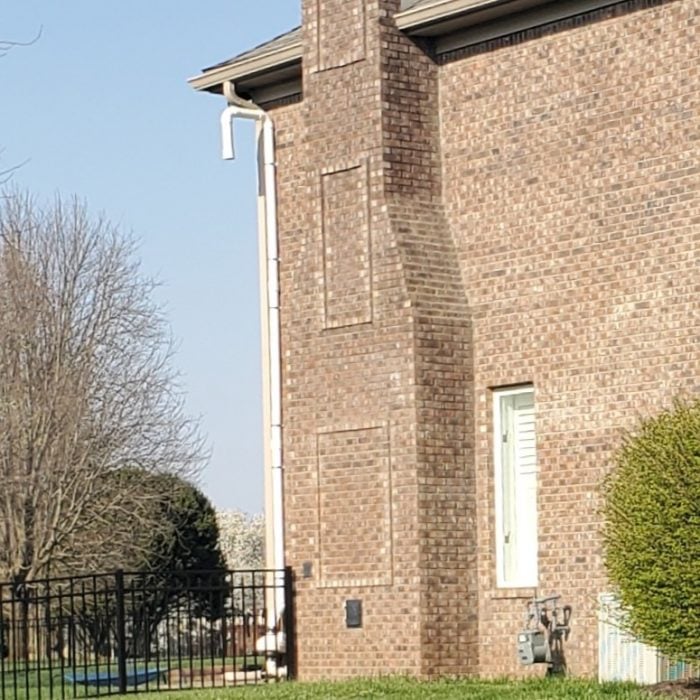
Here we see the discharge point of a mitigation system facing downward. To meet the minimum requirements, the point of discharge needs to extend above the eve of the building to prevent potential re-entrainment.

This mitigation vent discharges radon directly below a window, possibly directing the radon back into the home. Also, the electrical is being run through an extension cord, which should not be used on any mitigation system.
How do allowances work in a real estate transaction?
It is very common for a buyer and seller to negotiate an allowance for home repairs based on the inspection report. Before the time of closing, the amount of the allowance is negotiated between the buyer and seller through the real estate agent. Then, an addendum is written saying the buyer and seller agree the seller will pay a particular dollar amount toward the buyer’s closing costs. It has nothing to do with the cost of the house or your mortgage, just the closing costs. Then, the amount is given at the time of closing in the form of a check or money order.
Our Advice:
When considering who should pay for the radon mitigation system in your real estate transaction, our advice is for the buyer and seller to negotiate a fair allowance be made for the mitigation system. In sum, we have seen time and time again how this type of allowance protects the interests of all parties and keeps the transactions moving forward toward closing.
To the Seller:
Although there are standards for how radon mitigation systems should be installed, not all contractors follow best practices. Choosing the lowest-cost option can result in an unreliable or improperly installed system.
From a seller’s perspective, installing a mitigation system before closing can create unnecessary risk. If the system is not installed correctly, the seller may face liability issues after the sale. Protecting occupants from radioactive radon gas is a serious responsibility, and cutting corners can lead to long-term problems.
Installing a system before closing also requires time and coordination. Sellers must collect quotes, research contractor qualifications, compare options, and schedule installation, all of which can delay closing.
By offering a radon mitigation allowance instead, sellers can cap their costs, avoid liability, and keep the transaction on schedule. This approach removes the burden of choosing and installing a system on behalf of the buyer.
To the Buyer:
First, the safety of you and your family against radon exposure should be the top priority. It is human nature for the home seller to want to save money on closing costs. By asking for an allowance, you keep yourself in control of deciding who installs the radon mitigation system in your future home.
When you receive your allowance, or credit, at closing, be sure to find a radon contractor that specializes in radon, is certified to install the system, and works with licensed electricians. This is important for ensuring your family is being protected.
Poorly installed systems may fail to reduce radon levels and, in some cases, can even increase them. Radon mitigation involves complex building science, and pressurized systems should only be installed by qualified professionals.
In the process of buying your home, if a radon test result comes back at a level that you are unsatisfied with (again, the EPA recommends mitigation at 4.0 pCi/L or higher), request an allowance for a negotiated amount to be provided by the seller at closing. This way, you and your family can choose the right company to install your system.
To the Real Estate Agents:
If you have read this far, you are clearly committed to supporting your clients through the entire real estate process. When radon is part of the transaction, guidance from experienced professionals can make a significant difference.
Encourage buyers to request a radon mitigation allowance and advise sellers to offer one when mitigation is needed. This solution benefits both sides by reducing friction, avoiding delays, and keeping the deal on track.
Handling radon mitigation through an allowance helps transactions move forward efficiently and allows everyone to reach closing day with confidence.

Our trusted professionals are here for your peace of mind.
Regardless of what party you represent in a real estate transaction, we are here for your radon testing and/or mitigation needs. Providing expert service from trusted professionals for our clients’ peace of mind protection is what we are in business to do.
Give us a call or request a quote to get started on your residential radon testing or mitigation project today.

