Home Insulation Services

Protect Environmental evaluates your home as a whole system before recommending a fix. We find where air is escaping, where insulation has fallen short, and address both together, rather than adding material on top of leaks that are still there.

It's the same diagnostic approach Protect already brings to radon, mold, and moisture, applied to how your home holds heat and air.

Reviewed by
General Manager
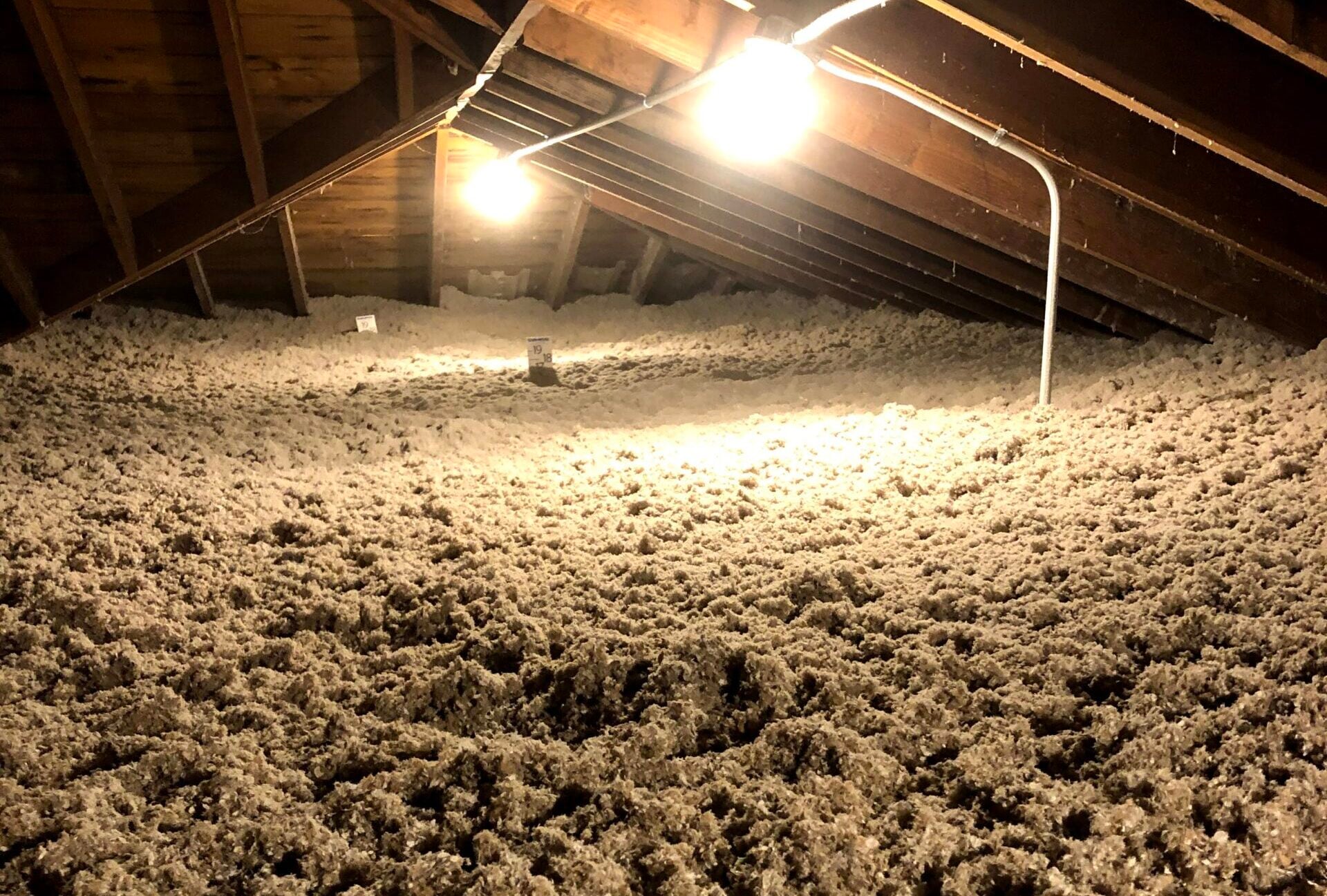
An attic with blown-in cellulose insulation and visible depth markers
Home Insulation ServicesAir Sealing & Insulation

Insulation Assessment

An on-site visit to inspect your attic, check for air leaks, estimate your current R-value, and look at moisture and ventilation, before any work is scoped.

Schedule My Insulation Assessment

Air Sealing & Insulation Installation

Sealing accessible air leaks first, then installing the right insulation to the right level for your home.

See the Insulation Process

What Is Insulation?

Insulation slows the transfer of heat through your home's walls, attic, and floors, helping keep conditioned air where it belongs. On its own, insulation doesn't stop air from moving through gaps, cracks, and penetrations in the building envelope, which is why lasting comfort and efficiency depend on sealing those leaks first.

What Is Insulation? What Is Insulation?Insulation slows the transfer of heat through your home's walls, attic, and floors, helping keep conditioned air where it belongs. 010203

Do I Need Insulation Services?

Signs your home could use an assessment:

  • Uneven temperatures between rooms or floors
  • A hot upstairs
  • Cold floors
  • Drafty rooms
  • High heating or cooling bills
  • An HVAC system that runs more than it used to
  • An attic you know hasn't been touched in years

If your home has an uncomfortable bonus room, a room over the garage, or a basement or crawlspace that never quite feels right, those are also worth a look.

Request a Service

Not sure what your home needs? Our team can walk you through your options.

Request Service

Process

  1. Inspect

    Assess insulation depth, estimate R-value, check for air leaks, ventilation, and moisture.

  2. Plan

    Provide a clear, written scope of work based on what the inspection finds.

  3. Install

    Seal accessible air leaks first, then install insulation to the scoped level.

  4. Document

    Record the completed work, including depth markers, so you know exactly what was done.

Frequently Asked Questions

Resources
Do I need an assessment or can I just add insulation?

Most jobs start with an assessment, which leads to a clear, written plan. Adding insulation without first checking for air leaks and existing depth often means spending money on a fix that doesn't solve the problem.

Does more insulation always lower my energy bills?

Not necessarily. Insulation and air sealing work together, and results depend on your home's construction, climate, and how air is moving through it. An assessment is the only way to know what will actually help your specific home.

What stops a drafty room from staying drafty?

Usually air sealing, not insulation alone. Insulation slows heat transfer, but it doesn't close the gaps and penetrations that let air move through your home.

Can you add insulation over what's already there?

In many cases, yes, depending on the condition of the existing material. An assessment will confirm whether it should be topped off, removed, or left as is.

How do I choose an insulation company?

Look for an on-site assessment before a quote, a willingness to explain air sealing alongside insulation, and a written scope of work, the same standard Protect already holds itself to on radon and mold jobs.

Find My Local Team

Residential insulation services are currently available in Denver, CO and Salt Lake City, UT.

Find My Local Team

Find Your Local Office

What's Your Radon Risk?

Enter your zip code to learn about the radon levels near you.

what's your radon risk?