Professional full-service radon solutions for a healthy, safe, and clean home.
what's your radon risk?
RADON MITIGATION SERVICES
Check out our library of resources for more on creating healthy and safe indoor environments in your community.
What's your radon risk?
Creating healthy, safe, and clean indoor environments nationwide.
NaTIONAL PARTNERSHIP
Be a part of something amazing! Join our growing team to help us create safe and sustainable indoor environments across the United States.
what's your radon risk?
Creating healthy, safe, and clean indoor environments nationwide.
what's your radon risk?
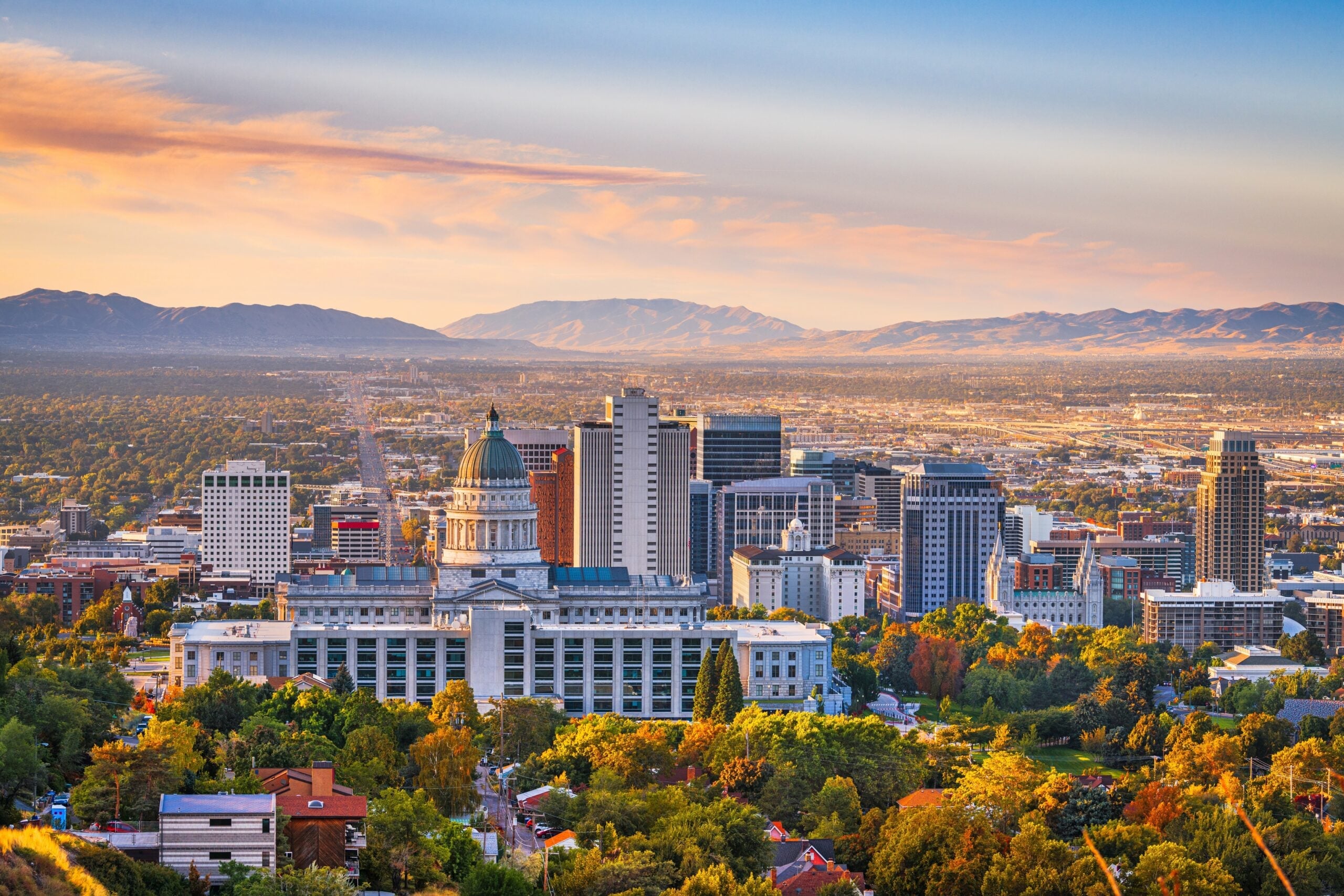
Protect Environmental inspects your Salt Lake City home's attic, air leaks, and insulation before recommending a fix. We look at how air and heat move through the whole house, built around the way homes actually perform along the Wasatch Front.

Attic insulation and air sealing reduce heat loss and heat gain in a home by slowing conductive heat transfer and closing the gaps that let conditioned air escape. In Salt Lake City, where winter inversions trap cold, stagnant air in the valley, a properly sealed home also keeps more of that outside air, and what's in it, from working its way indoors.
Protect's core insulation job: inspect, air seal, then insulate to the appropriate level for your home.
Learn MoreClose the gaps that let conditioned air escape, before any insulation goes in, especially relevant during inversion season.
Learn MoreCommon gaps in Salt Lake City's older housing stock.
Learn MoreDense-pack solutions for older, under-insulated wall cavities.
Learn MoreSalt Lake City's climate is a different kind of extreme than most of the country deals with. Summers run hot and dry rather than hot and humid, and winters bring the Wasatch Front's well-known temperature inversions, periods where cold, heavy air settles into the valley and stays put for days. During inversion season, the air inside your home is more connected to the air outside than most homeowners realize, which makes air sealing a bigger deal here than in a lot of markets, not just a comfort upgrade but a factor in what's actually circulating through your house.
Many Salt Lake City homes, especially in the city's older neighborhoods, were built before current insulation standards existed, and it's common to find attic insulation that has settled, thinned, or was never air sealed underneath in the first place.
Insulation and air sealing work together. Insulation slows heat moving through your walls, floors, and ceilings. It does not stop air from moving through gaps, cracks, and penetrations. If your home still feels drafty, or you notice more dust or outside air indoors during inversion season, air leakage is usually part of the reason. That's why Protect seals accessible gaps before adding or upgrading insulation.
The whole home matters. Warm air rising and escaping through the upper part of a house can pull outside air in through the basement, crawl space, or rim joists, a phenomenon called stack effect. Your attic, crawl space, and basement all work as one connected system.
Before Protect recommends any material, we inspect your current insulation depth, estimate your existing R-value, check for air leaks, look at attic ventilation, and check for moisture or roof leaks. If we find an active moisture problem, a roof leak, or mold, that gets addressed first.
Every job starts with an inspection, not a standard package.
We address air leakage before adding insulation, which matters even more given the Wasatch Front's inversion-season air quality concerns.
Utah's geology, including parts of the Salt Lake Valley, is associated with elevated radon potential, and many Salt Lake City homes already have a mitigation system in place. Our crews are trained to identify and protect existing radon system components during insulation work.
Signs include uneven temperatures between rooms or floors, cold floors, a hot upstairs, high heating or cooling bills, and an HVAC system that runs more than it used to. An in-home assessment can confirm whether insulation, air sealing, or both are the right fix.
Current Utah code sets the attic insulation target for Salt Lake City's climate zone at R-49. Protect confirms this applies correctly to your specific home during your in-home assessment.
Insulation alone doesn't stop drafts, air sealing does. The two work together: air sealing closes the gaps letting air move through your home, and insulation slows the heat transfer once those gaps are closed.
Air sealing is the process of closing gaps, cracks, and penetrations in a home's attic, walls, and foundation that let conditioned air escape and outside air in. It's especially relevant in Salt Lake City during winter inversion season.
Protect's crews are trained to identify existing radon system components, such as vent pipes and sealed penetrations, and work around them so your system continues to function as designed.
Our team inspects your attic, checks for air leaks, and gives you a clear, honest recommendation, built for how homes perform along the Wasatch Front.
Enter your zip code to learn about the radon levels near you.