Blown-In Cellulose Insulation

Cellulose is Protect Environmental's primary material for blown-in attic insulation. It's installed to the depth and coverage your home's inspection calls for, filling the irregular spaces around framing and obstructions that a batt or roll product can leave gapped.

Reviewed by
General Manager
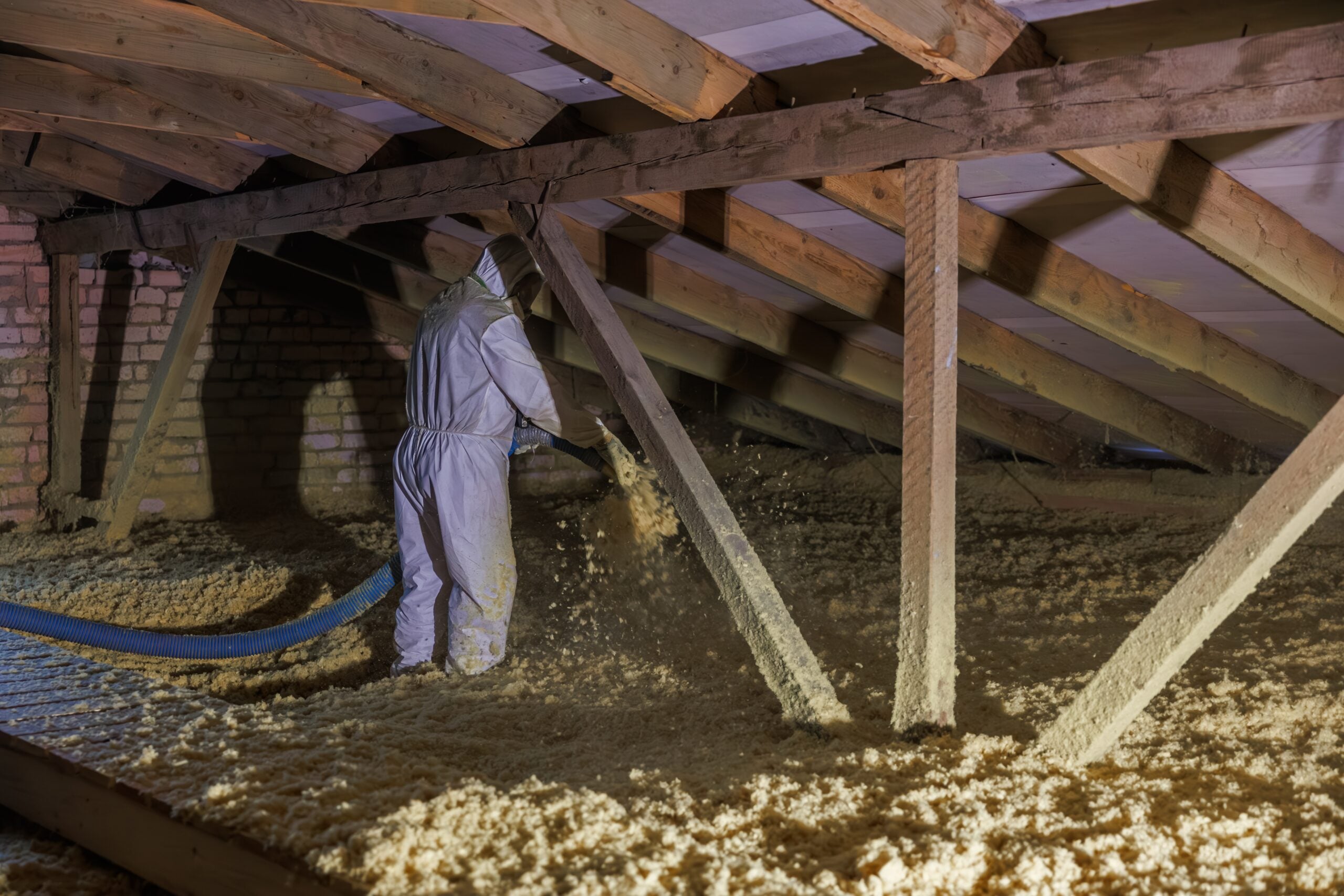
A worker using a hose to install blown-in insulation in an attic

What Blown-In Cellulose Involves

Cellulose insulation is made primarily from recycled paper fiber, treated for fire and pest resistance, and installed by blowing it into place with specialized equipment rather than laying it in sheets. Because it's loose-fill, it conforms to irregular attic spaces, around framing, wiring, and obstructions, in a way that batt insulation can't, which is part of why it's Protect's primary blown-in attic material.

Protect's installed depth and resulting R-value follow this chart:

Insulation ThicknessApproximate R-Value
3½ inches
R-13
5½ inches
R-21
8 inches
R-30
10 inches
R-38
13 inches
R-49
16 inches
R-61

Protect confirms the depth needed to reach your specific home's R-value target during an in-home assessment, based on this chart.

Why Protect Uses Cellulose

Fills Irregular Spaces

Conforms around framing, wiring, and obstructions that batt insulation can leave gapped.

Installed to a Scoped Depth

Applied to the depth and coverage determined by your home's inspection, not a standard amount for every attic.

Primarily Recycled Material

Made mostly from recycled paper fiber, treated for fire and pest resistance.

Our Cellulose Installation Process

  1. Inspection and Plan

    On-site inspection of existing insulation depth, air leaks, ventilation, and moisture, followed by a written plan scoping the coverage.

  2. Air Sealing

    Accessible leaks are sealed first, see our Air Sealing & Weatherization page.

  3. Install

    Cellulose is blown in to the scoped depth, with soffit ventilation preserved using baffles and required clearances protected.

  4. Document

    Depth markers are added and the completed work is documented.

Ready to See What Your Attic Needs?

Request Service

Not Sure Yet? Start With an Assessment

Cellulose is Protect's primary attic material, but the right fit for your home depends on what the inspection finds. See the full job on our Attic Insulation page.

Learn More

The Protect Promise

Whole-Home Approach

We look beyond the material alone to air movement, moisture, and the building envelope as a whole.

Building-Science Approach

Inspection and diagnostics guide every recommendation, not a standard package.

Radon-Aware Crews

Our crews are trained to identify and protect existing radon system components during insulation work.

Cellulose Insulation in Your Area

Cellulose insulation is currently available in Denver, CO and Salt Lake City, UT.

Frequently Asked Questions

What is blown-in cellulose insulation made of?

Primarily recycled paper fiber, treated for fire and pest resistance, and installed by blowing it into place rather than laying it in sheets.

Is cellulose better than fiberglass?

Neither is universally better, they fit different applications. Protect uses cellulose as its primary blown-in attic material because it conforms to irregular spaces well, and uses fiberglass primarily in crawl and floor applications.

What is cellulose's R-value per inch?

Based on Protect's installed depth chart, cellulose runs at approximately R-3.7 to R-3.8 per inch, for example 13 inches reaches R-49 and 10 inches reaches R-38. Your assessment will confirm the exact depth needed to reach the R-value target for your specific home.

Does cellulose settle over time?

Loose-fill insulation can settle somewhat after installation, which is one reason Protect documents installed depth with depth markers, so you have a clear record of what was installed and can tell if a re-check is ever needed.

Can cellulose be installed over existing insulation?

In many cases, yes, depending on the condition of what's already there. An assessment will confirm whether existing insulation should be topped off, removed, or left as is before cellulose is added.

Talk to Protect Environmental About Cellulose Insulation

Request My Service

Find Your Local Office

What's Your Radon Risk?

Enter your zip code to learn about the radon levels near you.

what's your radon risk?