Categories
Blog

6 Common Radon Myths

Not many people have heard of radon, and even fewer understand the real risks it poses inside homes. As a result, radon myths and misinformation often prevent homeowners from taking action to protect their health.


Common radon myths can make it difficult to understand how radon gas forms, how it enters homes, and why testing matters. With the right information, homeowners can make informed decisions about radon testing and mitigation.


In this article, we debunk six common myths about radon and share the facts you need to keep your home and family safe from this invisible threat.

Myth #1: You Can Detect Radon Without a Radon Test

One of the most common radon myths is that people can somehow detect radon gas on their own. Unlike carbon monoxide or mold, radon gas has no smell, color, or taste. There are no physical warning signs that indicate its presence.


Because radon cannot be detected by human senses, radon testingis the only reliable way to know whether radon levels are elevated in your home. Even homes that look clean, dry, and well-ventilated can contain dangerous radon concentrations.


Testing allows homeowners to identify radon early and take action before long-term exposure occurs.

Myth #2: A Small Amount of Radon Isn’t Dangerous

Radon is the leading cause of lung cancer among non-smokers, and more than 21,000 people in the U.S. alone die each year from exposure to this radioactive gas.


It’s a harsh statistic, but it is a testament to how many underestimate the dangers of radon, even in seemingly “small” amounts. The truth is, no amount of radon is safe, and the longer you breathe in air contaminated with radon, the more susceptible you will become to developing conditions like lung cancer. 


A radon test is the only way to accurately determine your home’s radon levels. If the test detects levels above 4 picoCuries per liter of air (pCi/L) and you’ve lived in that home for a long time, this means that you’ve been exposed to radon over a long period of time and it’s recommended to schedule a consultation with your doctor. Look out for some of the symptoms of radon gas poisoning including, persistent cough, chest pain, frequent infections like pneumonia, and more. 


Radon detection and mitigation is the best prevention. 

Myth #3: New Homes Don’t Have Radon

A widespread misconception is that newer homes or homes without basements are protected from radon. Unfortunately, radon can affect any home, regardless of age, design, or construction type.


Radon is produced by the natural breakdown of uranium in soil. Because most homes are built in direct contact with the ground, radon gas can enter through:


  • Foundation cracks

  • Construction joints

  • Gaps around utility pipes

  • Crawl spaces and slab foundations

But surely, you can rely on newer constructions to undergo rigorous radon testing and radon-proofing, right? As it stands, there are only 11 states in the country that have building codes that require radon-resistant new construction (RRNC). 


These states are California, Florida, Illinois, Maine, Minnesota, New Jersey, Oregon, Rhode Island, Texas, Washington, and West Virginia. Even then, it is called radon-resistant for a reason: there is no way to guarantee your home remains free of the radioactive gas. 

Myth #4: Opening Windows Gets Rid of Radon

One of the seemingly more believable radon myths is that you can just ventilate your home by opening windows and letting the radon escape. 


Looking at radon facts from the Environmental Protection Agency (EPA) debunks this myth. Radon gas is approximately 7.5 times heavier than air, but it is a noble gas with no chemical affinity and is easily influenced by air movements and pressure.

Opening a window will not rid your home of any significant level of radon, rather just disperse it throughout the house in erratic manners. 


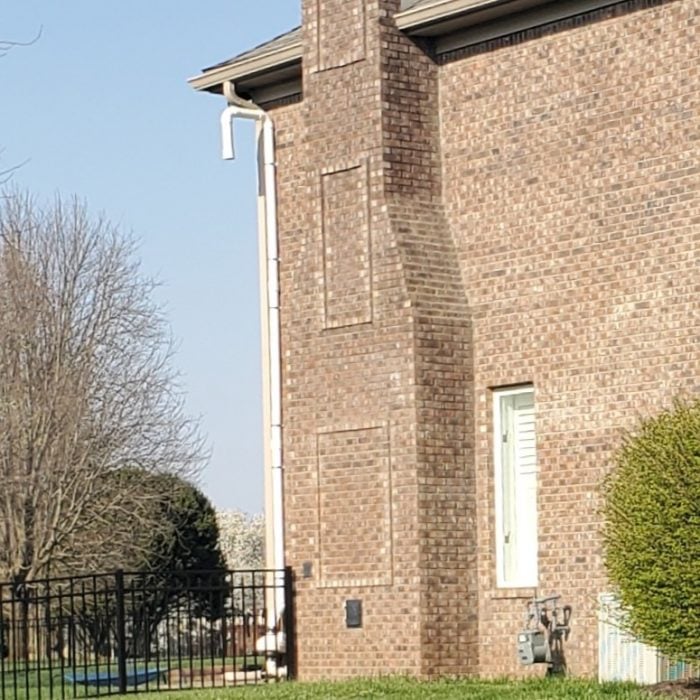
Radon mitigation services should be installed by qualified professionals in or outside the home and vacuum the radioactive gas from below the foundation, up through the mitigation system piping, and out above the roofline. 


As you can see, this process is much different than just opening up your windows. Intricate and complex building science and an understanding of the sensitive impacts on the air pressure in your home is required to install a system most effective in reducing radon levels in any home or building. 

Myth #5: You Only Need to Test for Radon Once

Radon levels are not static. They change over time due to environmental and structural factors, including:


  • Seasonal weather changes

  • Soil moisture and water table shifts

  • Home renovations or foundation settling

  • Changes in ventilation or HVAC systems

Because of these variables, the EPA recommends testing your home for radon every two years, even if a mitigation system is already installed. Systems also require routine inspection to ensure they continue working as designed.

Testing once is not enough to ensure long-term safety.

Myth #6: Radon Testing and Mitigation Are Too Expensive

A radon mitigation system that’s not installed properly can inadvertently worsen radon levels, due to the delicate balance of pressure required to achieve effective radon reduction. Through our dedication to excellence and meticulous attention to detail, we aim to provide not only peace of mind but also a safer living environment for you and your loved ones.


Protect Environmental offers convenient scheduling and digital testing done by National Radon Proficiency Program (NRPP) certified technicians that allows you to see a detailed analysis of your home’s radon levels after a 48-hour active radon testing period. 


When it’s time to install your radon mitigation system, our team can have your system up and running in approximately one business day. 

Protect Your Home With Facts, Not Myths

Understanding the truth behind common radon myths empowers homeowners to take control of their indoor air quality. Radon gas may be invisible, but its health risks are well documented and preventable.


The best way to protect your household is through education, regular radon testing, and professional mitigation when needed.


At Protect Environmental, we’re dedicated to making your home a safe place to breathe with professional radon testing and mitigation services. Our experts thoroughly gather data on your home’s radon levels and help put together an action plan that reduces these levels so you can enjoy your home with the utmost peace of mind. 


Fill out our service request form or call us at 877-508-8850 today to make sure your home is a healthy and safe place to breathe.


Test My Home!

Professional radon testing is the first step to making your home a safe place to breathe.

Categories
Blog

How Much Does a Radon Mitigation System Cost?

The costs associated with radon mitigation varies from state-to-state, city-to-city and home-to-home. Just like any industry, the market can play a role in determining your costs. If you live in an area where there are few certified radon contractors the price of service may be more. If you live in a large city with many service providers, competition may drive prices down. The age and construction style of the home can determine the complexity of a radon mitigation system. The important thing to know is that there’s not a one-size-fits-all solution when it comes to installing a radon mitigation system that works to reduce radon levels. You want a radon mitigation system that will do its job to reduce radon gas levels in your home. A system designed by professionals for the unique needs of your home will yield the best results.

Factors That Impact the Price of a Radon Mitigation System

The price of a radon system depends on many factors. Some factors only change the price a little, while other factors have a larger impact. Here is a list of some of the factors that go into the cost of radon mitigation.

FACTOR WHAT MAY INCREASE COSTS
Size of the home Homes larger than 4,000 sq. ft.
Age of the home Older homes can be more difficult to fix
Foundation Cinder block or stone foundations
Siding Specialty siding (Dryvit, flagstone, asbestos, etc.)
Roofing material Specialty roofing (cedar shake, slate, etc.)
Height of building Tall buildings may require specialty ladders or lifts
Home Owner’s Association (HOA) requirements Some HOA’s are difficult to work with or have strict standards
Skeletal system already installed This will actually LOWER your cost (if it was installed properly)
Basement size A basement larger than 2,000 sq. ft. may require additional suction point(s) and/or caulking
Finished basement characteristics May not allow for a good system location, may require more than one system
Excessive floor cracks in the basement Will require additional sealing
Floor drain(s) not trapped This is a radon source that will need to be addressed
Radiant heat under the basement floor or slab-on-grade area Must know the location so we don’t hit while drilling, may require Thermal Imaging Camera to locate
Groundwater sump pump Must be working or may need to be serviced
Battery backup sump pump Must be working or may need to be serviced, should be a submersible style to achieve an airtight seal
Interior drain tile system May be a major radon entry route and may require special sealing
Crawl space An additional radon entry route at a different level than the basement
Crawl space composition A gravel or dirt crawl space requires special sealing
Crawl space size The size of a gravel or dirt crawl space is a factor
Height of the crawl space If the gravel crawl space is less than 3′ tall, it is more difficult to work in
Crawl space access A crawl space must be accessible and have an opening a minimum of 2′ x 2′
Items stored/installed in crawl space A crawl space must be empty of debris, installed items such as a furnace, posts, or shelving make it more difficult to seal
Insulation on walls of crawl space The bottom of the insulation will have to be removed, the insulation could contain asbestos if the home was built prior to 1973
Slab-on-grade areas of the home An additional radon entry route at a different level than the basement
Ductwork or utilities in the slab Ductwork could affect the success of the system and may need to be sealed. Buried utilities may require concrete scanning using Ground Penetrating Radar
Additions to the home An additional radon entry route at different levels than the original home, a footing may separate the two areas, may require additional suction point(s)
High water table Makes it more difficult to draw air from underneath the home, may require additional suction point(s) or modifications to the sump pit/pump
Poor soil conditions (clay, sand, dirt, compacted gravel, etc.) Makes it more difficult to draw air from underneath the home, may require additional suction point(s), and/or a higher suction fan
Asbestos Asbestos siding, insulation, or vermiculite may need to be professionally removed prior to a radon system being installed
Historically significant home May need to follow special village standards
Power lines in the way May need Com Ed to cut power to the home in order to install the exterior exhaust pipe

Contact the experts at Protect Environmental for radon testing and installation of a radon mitigation system. Get peace of mind knowing your home is safe from radon.

Test My Home!

Professional radon testing is the first step to making your home a safe place to breathe.

Categories
Blog

Why do Homes have a High Level of Radon Concentration?

As a homeowner, keeping your family safe means protecting them from hazards you can’t always see. One of the most common and overlooked indoor threats is radon gas. Many homeowners ask the same question: why do homes have high radon levels, and what causes radon to build up indoors?


Radon levels can vary widely from one home to another. Location, construction style, and environmental conditions all play a role. Understanding why high radon levels in homes occur is the first step toward reducing exposure and protecting your indoor air quality.

What is radon?

When a person breathes in radon gas, their lungs are exposed to small amounts of radiation that can significantly damage their cells and even lead to various types of cancer. Though it may be surprising, radon exposure is the second leading cause of lung cancer in the United States, with smoking as the leading cause. While radon poses a serious threat to homeowners and their families, the good news is that it can be identified and controlled with regular radon testing and radon mitigation.

In order to limit the threat of radon in your home, it’s important to understand exactly what it is and where it comes from. According to the United States Environmental Protection Agency, radon is a naturally-occurring radioactive gas that is both colorless and odorless. 

Outdoors, radon disperses quickly into the atmosphere and causes minimal health issues. However, radon can enter into homes through cracks in the foundation, sump pumps, plumbing fixtures, and other entry points where it can accumulate to dangerous levels. When trapped inside, it can lead to a host of medical issues, particularly when the individuals have been exposed to radon for many years. Learn about lung cancer survivor Leah Phillips’ story and how she believes her lung cancer was caused by radon exposure at home.

Do all homes have a high radon concentration?

As mentioned above, radon generally does not create any problems in its gaseous form outdoors, since it dissipates rapidly into the atmosphere. However, when contained in buildings such as homes, schools or hospitals, for example, it can become highly dangerous for those inside the building. The risks associated with breathing in elevated radon levels only increases over time, which is why it is so important to keep the levels in your home in check.

So how can you tell if your home has a high level of radon? In most cases, homes contain at least a small amount of radon, even when a radon mitigation system is already in place. According to the Environmental Protection Agency (EPA), 1 out of every 15 homes in the United States has elevated radon levels. The average indoor radon concentration typically falls between 1–3 picocuries per liter (pCi/L), but some homes measure significantly higher levels, sometimes exceeding 100 pCi/L.


If a radon test shows a concentration of 4.0 pCi/L or higher, the EPA recommends taking action. A professionally designed and installed radon mitigation system can reduce indoor radon levels by up to 99%, helping protect occupants from long-term exposure.

In order to reduce radon levels in homes, more and more builders are adopting radon-resistant new construction techniques to protect residents’ health and safety. However, even if your home has been built using radon-resistant techniques, it’s still essential to test the home for radon upon moving in. Learn more about activating a passive radon mitigation system.

Why do homes have a high level of radon concentration?

Some homes have high levels of radon because the gas can enter buildings in multiple ways and become trapped indoors. Any home or building can be affected, regardless of age or location. Factors such as soil composition, local geology, weather patterns, ventilation, and the structure of the home all play a role in determining indoor radon levels.

How Radon Enters the Home

While it is not unusual for a home to contain some level of radon, higher concentrations are largely driven by environmental and structural conditions. Radon is produced by the natural decay of uranium, which is found in varying amounts in nearly all types of soil. As uranium breaks down, it releases radon gas, which moves upward through the soil and enters homes through any available openings.

Common entry points include:


  • Cracks in concrete floors or foundations

  • Construction joints

  • Gaps around service pipes and utility penetrations

  • Sump pits and floor drains

  • Crawl spaces and unfinished basements

Once inside, radon can accumulate, especially in lower levels of the home where ventilation is limited. Over time, prolonged exposure to elevated radon levels increases health risks for occupants.

Radon From Water Supply

The second most common contributing source for high radon levels– after soil gas – is water supply. Although it is less likely that radon will enter your home through the water supply than through soil, it is still a possibility that should be taken seriously. For example, well water can contain radon, which can be a health risk for residents when they breathe in the radioactive gas that’s released into the air during showers, running the sink, or even doing the dishes. Drinking water containing radon can also lead to cases of stomach cancer. It’s always a good idea to test your water for the presence of radon, especially if you source your water from a private well. If you have a radon mitigation system and are still seeing elevated radon levels, it’s time to have your water tested as it could be the source of radon in your home.

Radon can also enter a home through the decay of construction materials such as brick, marble and granite, but this is a much less common point of entry than through soil gas or water supplies.

old home have higher concentrations of radon

Is Radon in Old Homes More Common?

Although this is not always the case, radon in old homes is typically higher than in newly built ones.

The key factors that influence radon levels—such as cracks in the foundation, gaps around pipes, and poor ventilation—tend to be more pronounced in older homes, which may not have been built with radon-resistant materials or techniques.

However, many new homes are more energy efficient, which can seal in heating and cooling, but the radon gas as well. Regardless of your home’s age it is important to test! A radon test is the only way to know if you are being exposed to this radioactive gas. 

Here’s a quick breakdown why an older home might have high radon levels:

Foundation Integrity

Over time, foundations can develop cracks or structural weaknesses that allow radon gas to seep in from the surrounding soil. These entry points are common in homes built without modern radon-resistant construction techniques and may worsen as a home settles or ages.

Building Materials

Older homes may include materials such as stone or brick that naturally emit trace amounts of radon. While this source is generally less significant than soil gas intrusion, it can contribute to higher overall radon concentrations when combined with other factors.

Geographical Factors

The surrounding soil and geography can influence radon levels. While age can be a factor, homes built in high-radon areas are at greater risk regardless of age.

Newly constructed homes often use radon-resistant building techniques, such as radon barriers and enhanced ventilation, to help mitigate radon risk. However, even modern homes are not immune to radon issues, so regular testing is recommended for all buildings.

Concerned about your home's radon levels?

How to Take Action:

Because radon has no odor or color to indicate its presence in your home, it is crucial to regularly test your home for high radon concentrations. This is the only way to ensure that you and your family are not inhaling or consuming dangerous amounts of radon, either through the air or water supply. As previously mentioned, when radon accumulates in a home, residents could be unknowingly inhaling the radioactive gas, which can then damage the cells in their lungs and lead to lung cancer. Though less common, when consumed in water, it can lead to serious health issues such as stomach cancer and can even contribute to radon levels in the air.

Hiring an experienced radon contractor to test your home’s radon concentration is the first step to maintaining a safe and healthy home. Not only will our radon experts determine your home’s current radon concentration, we will also help you decide what mitigation measures should be taken to reduce your home’s radon level. If you haven’t tested your home for radon recently, or you’re about to move into a new home, contact a professional for an inspection.

Test My Home!

Professional radon testing is the first step to making your home a safe place to breathe.

Strategies to reduce your risk of radon exposure at home

If you are concerned about your home’s radon concentration, time is of the essence. Because radon can be a danger to residents’ health, it’s important to not put off reducing your radon levels. Start by contacting a certified radon company (find your local Protect Environmental professionals) for help in understanding the radon concentration in your home. 

If your radon test reveals elevated radon concentrations, work with certified professionals to install a radon mitigation system to reduce the levels in your home. 

How often should you test your home for radon?

Although it may be easy to overlook or postpone, radon testing should be a top priority for all homeowners and be included in your routine home maintenance checklist. After all, the more vigilant you are about reducing radioactive radon gas in your home, the safer your indoor air will be. That being said, how often should you test your home’s radon concentration? If you already have a radon mitigation system installed in your home, you should continue to have your home tested every two years and your system inspected every year to ensure that it continues to function as designed.

Family-About Protect Environmental

Protect yourself and your family from radon concentration

If you’re asking, why do homes have high radon concentrations, then you’ll also want to know how to fix it. 

Colorless and odorless, radon is a radioactive gas that can accumulate in homes and cause serious health problems for residents. Although most homes contain some level of radon, it is crucial to perform regular radon testing in order to know for sure what your levels are. Radon concentrations above the EPA action level (4.0 pCi/L), radon lead to significant health issues for residents. To reduce this risk, a radon professional can test your home’s radon levels and recommend a mitigation system if necessary. Radon mitigation experts will work with you to reduce the radon levels in your home for a more healthy and safe place to breathe.

Radon danger for children

A case study by the Agency for Toxic Substances and Disease Registry concluded that due to lung shape and size differences, children have an increased risk and a higher estimated radiation dose when exposed to the same radon levels compared to adults. Children breathe in deeper, faster, and proportionately more air than adults. Their lungs are developing faster, making them more sensitive to the effects of indoor air quality. Since effects of radiation take years to develop, individuals exposed to elevated levels of radon in their youth are more likely to develop radon-related illnesses later in life. Contact a radon professional today.

Get a Free Quote

Request service today to get a free quote on a radon mitigation system for your home. Make sure your home is a safe place to breathe!

Sources:

    1. “What Is Radon Gas? Is It Dangerous?” EPA, https://www.epa.gov/radiation/what-radon-gas-it-dangerous
    2. A Citizen’s Guide to Radon The Guide to Protecting Yourself and Your Family from Radon. https://www.epa.gov/sites/default/files/2016-02/documents/2012_a_citizens_guide_to_radon.pdf
    3. Case Studies In Environmental Medicine, https://www.atsdr.cdc.gov/csem/radon/radon.pdf
    4. US Agency for Toxic Substances and Disease Registry, Toxicity of Radon, accessed January 4, 2022.

Categories
Blog

Invisible but Here: Radon in Ohio After the Dispatch Report

A recent The Columbus Dispatch investigation revealed something Ohio families have been living with in silence: elevated radon levels in homes, schools, and rental units across central Ohio. The findings showed long-term exposure in places where people believed they were safe.


One Newark resident described the impact in simple terms: “We were exposed to something that ultimately gave us cancer.” 


The reporting makes one thing impossible to overlook. Radon is here. It is affecting people today. And thousands of Ohio homes have no protections in place.

What Radon Actually Is

Radon forms naturally in the soil as elements like uranium and radium break down. The gas moves upward into homes and buildings, where it becomes trapped. If you’re unsure what radon is, the process is simple once you understand how it behaves.

Although radon is invisible and odorless, its impact is well-documented. No level is considered completely safe. The EPA recommends taking action at 4 picocuries per liter, yet studies have shown health effects even below that level. And because Ohio’s unique geology produces more radon than most regions, regular testing becomes an essential part of maintaining a healthy home.

A Risk Hidden in Plain Sight

Radon is not a new discovery, but Ohio’s vulnerability is deeper and more widespread than most people ever realized. Central Ohio sits on mineral-rich glacial deposits that naturally produce radon.


That geological foundation explains why Franklin, Delaware, and especially Licking County consistently show elevated readings. Homes in Newark’s 43055 ZIP code now rank among the highest radon concentrations measured in the entire nation.


This is not a rare or isolated issue. It is a statewide reality.


The People Behind the Numbers

The investigation brought forward personal stories from families who lived with high radon levels for years without knowing. In Marion, graduates reflected on a cluster of leukemia cases and questioned whether radon played a role. One survivor said, “We were exposed to something that ultimately gave us cancer.” Across Newark, households discovered dangerously high levels only after illnesses emerged. Many renters later learned their homes had been mitigated years earlier but never retested, leaving them unsure if exposure continued.


These individual experiences echoed the broader issues uncovered in multiple parts of the reporting:


  • Some districts had classrooms with elevated readings even though routine testing was never done.
  • Public housing authorities often delayed retesting after mitigation, leaving families without essential safety information.
  • Licking County recorded some of the highest radon concentrations reported, with multiple buildings testing above the EPA action level.

Behind every statistic is a family trying to understand what happened and what comes next.

What These Findings Mean for Ohio Families

The Columbus Dispatch reporting exposed several systemic gaps that continue to put residents at risk:

  • There is no statewide requirement to test homes, apartments, schools, daycares, or workplaces.
  • Many public housing units never received initial radon testing, and agencies often delayed retesting for years after radon mitigation.
  • Renters do not receive guaranteed disclosure, even when past tests showed elevated radon levels.
  • Some radon mitigation systems were installed but never verified through post-installation testing.
  • Long-term exposure was found in both newer constructions and older buildings.

One lung cancer specialist quoted in the series cautioned that “if you have lungs, you can be affected.” That simplicity underscores the reality. Children, nonsmokers, renters, pets remain particularly vulnerable.

What You Can Do Right Now

Radon testing is the only way to know your home’s radon level, and Protect Environmental provides certified, reliable testing services throughout Ohio. The process is simple, affordable, and designed to give families clear answers fast.

You can learn how to test your home, what the process looks like, and how long it takes on our dedicated testing page. If your results come back high, Protect Environmental offers proven radon mitigation solutions that reduce radon levels quickly when installed and verified properly.

Taking action protects your family today and reduces risk over time, especially for children and older adults.

Moving Forward With Awareness and Action

The Dispatch investigation made something clear. Radon is not a distant or hypothetical risk. It is already shaping the health of Ohio families, and many of the systems meant to protect residents have fallen behind.


Awareness is the first step. Testing and mitigation are the next.


Protect Environmental supports Ohio families at every stage, from understanding radon risks to creating safer, healthier homes.


Ohio families deserve to breathe safely in their own homes, and understanding radon is how that begins.

Test My Home!

Professional radon testing is the first step to making your home a safe place to breathe.

Categories
Blog

Who Pays for Radon Mitigation – Buyer or Seller?

Buying or selling a home can be a long process with many steps, and the inspection phase often raises unexpected questions. When radon appears in the inspection report, one of the most common concerns is who pays for radon mitigation. Is it the buyer or the seller?

The shortest answer: there are options! Usually, the cost of mitigation falls on the home seller. However, there are a few ways that this can play out. Stay with us, we’ll unpack those options a little further down the page.

Whichever side of the real estate transaction you are on, your hopes are high for everything to go smoothly through the final closing. Maybe you are buying a home and have finally put in an offer on the one you have been dreaming about. Alternatively, maybe you are selling your home and are eager to start seeing those offers come in.

The inspection report can come back with costly fixes and unexpected expenses. One critical measurement that should be taken during the home inspection process is testing for radon.

Chances are if you have ever heard of radon, it is because it came up during the process of buying or selling your home. If you have never heard of radon before, you are not alone. Most people do not know what it is or why it is harmful.

First of all, is radon actually something to be concerned about?

Radon is not something you want in your home, especially at elevated levels. It is a naturally occurring gas, which means it cannot be eliminated entirely. However, the lower the radon level inside a home, the better it is for long-term health.

Why? Radon is a radioactive gas that causes cancer and can be present in any home, whether it is old or newly built. Because radon has no smell, taste, or color, it can go completely undetected without proper testing. The gas forms naturally as uranium breaks down in the soil beneath homes.

Once formed, radon can enter a house through cracks in the foundation, gaps around pipes, crawlspaces, and other openings. When radon is inhaled over time, it can damage lung tissue and significantly increase the risk of lung cancer.

Each year, radon is responsible for more than 21,000 deaths in the United States. It is the leading cause of lung cancer among non-smokers and second only to smoking overall. Because of these risks, radon testing and mitigation are especially important during a real estate transaction, when health concerns and long-term safety should be addressed before closing. Learn more about radon and the symptoms of radon gas poisoning.

Radon in a typical real estate transaction:

  1. Home buyer submits an offer.
  2. Home seller accepts the offer. *
  3. Home buyer orders a home inspection.
  4. The contract is contingent upon inspection.
  5. A radon test should be conducted during the inspection period at the request of the buyer.
  6. Radon test results are provided.
  7. The EPA recommends mitigation at 4.0 pCi/L or more.
  8. Depending on the radon test results, the home buyer may request for the home seller to provide a mitigation system.

* In some states, the seller is required to disclose if they have tested for radon, the results of any testing that has been conducted, and if a mitigation system is installed on the home.

The risks of buying or selling a home with high radon levels

When Buying:

  • The combination of high radon levels and no mitigation system puts you and your family at risk of radon exposure.
  • A mitigation system presents an unwanted (but necessary) additional expense to be considered when purchasing the home (average cost of $1,200 to $2,500, depending on the home).
  • If a mitigation system is installed or was previously installed, ensuring the system continues operating correctly long-term to keep your radon levels in check.

When Selling:

  • Not accommodating a radon mitigation system can risk the sale contract falling through.
  • A mitigation system presents an unwanted additional expense (average cost of $1,200 to $2,500, depending on the home).
  • Liability of installing the cheapest system before closing may not protect the buyers long-term if a faulty system is installed.

Should you buy a home with radon?

Finding radon during a home inspection does not mean you should walk away from the purchase. A properly installed radon mitigation system is a proven and effective solution for reducing radon levels.

A typical mitigation system uses an active fan and vent pipe to pull radon gas from beneath the home and release it safely above the roofline. When installed correctly, these systems can significantly lower indoor radon levels.

If the home already has a mitigation system, it is still important to perform a radon test and system inspection. Fans can fail over time, and seals can weaken, allowing radon levels to rise again.

If the home you are buying does not have a radon mitigation system installed, and the radon test comes back elevated (the EPA recommends mitigation at 4.0 pCi/L or more), you will want to have a system installed to reduce your risk of exposure.

The sellers of the home may have already tested for radon in the past. Depending on the state you live in, the home sellers could be legally obligated to disclose the radon levels of the home. However, radon levels can fluctuate due to weather, seasonal changes, or home renovations, so it is still advised to perform another radon test during your home inspection. In fact, homes with a radon mitigation system should be tested every two years to confirm radon concentrations remain below the action level.

For real estate transactions, the radon test is conducted during the inspection period. Most home inspectors offer a professional radon test as an additional service. The radon test expense is most often covered by the home buyer along with the inspection.

How Radon Impacts Your Property Value

When buying or selling a home, radon can be a deciding factor. Homes with untreated radon often see a drop in market value because buyers may see it as a health risk or added expense.

If your home tests high for radon, potential buyers might:

  • Request a price reduction to cover radon mitigation costs.
  • Choose to walk away from the deal entirely.
  • See your home as less desirable compared to similar properties without radon issues.

Whether you’re concerned about buying a home with radon or wondering how to handle it when you’re selling, here’s what you need to know.

What to Expect When Selling a Home with Radon

If you’re selling a home with radon, you’ll likely need to address the issue before closing. Many buyers are cautious about homes with high radon levels, so handling it upfront can save time and stress. 

Here are some steps to take:

  • Test your home for radon and get an official report.
  • If levels are high, consider installing a radon mitigation system.
  • Be transparent with buyers about the steps you’ve taken.

In need of a radon test?

If your home inspector does not provide this service or if you’re looking for a second opinion, our trusted professionals are here to help!

Who pays for the radon mitigation system, home buyer or seller?

A mitigation system is probably an expense you were not expecting to pay with the purchase of your new home. However, radon mitigation systems can be treated like any repair in a real estate transaction. Additionally, installing a radon mitigation system (if the radon test results come back elevated) is a critical fix for the health of individuals who will be living in the home.

The options for payment and installation of a radon mitigation system during a real estate transaction:

1. Buyer pays for the mitigation system after the real estate transaction is completed.

Buyer's Benefit Seller's benefit Buyer's Risk Seller's risk
Buyer's Benefit Has full control over who installs the system and the quality of system they would be getting
Seller's benefit No additional cost or liability
Buyer's Risk You take on full financial responsibility for the system installation and annual maintenance
Seller's risk If the buyer does not want to go this route, you could risk your closing transaction falling through

2. Seller chooses a company and pays for mitigation system installation.

Buyer's Benefit Seller's benefit Buyer's Risk Seller's risk
Buyer's Benefit Seller pays for the system in full and the system is installed before closing
Seller's benefit You have control over how much you want to spend on the system and you keep the buyer engaged in the sale
Buyer's Risk No control over which company installs the mitigation system or the quality of the system you would be getting
Seller's risk Choosing a mitigation contractor solely on a lowest cost basis could mean you’re getting an ineffective system installed, putting the buyers at risk of exposure. You could be liable for the system you chose to have put in.

3. Buyer chooses a company and seller pays for the mitigation system installation.

Buyer's Benefit Seller's benefit Buyer's Risk Seller's risk
Buyer's Benefit Seller pays for the system in full, before your closing date, and works with a company you trust to install the mitigation system
Seller's benefit Less liability as you are working with the company of the buyer’s choice
Buyer's Risk The seller could decline this request and you could risk the contract falling through or having to pay for the system yourself after closing
Seller's risk You would take on full financial obligation to install the system and the cost would be up to the buyer

4. Seller provides an allowance or credit for the mitigation system installation.

Buyer's Benefit Seller's benefit Buyer's Risk Seller's risk
Buyer's Benefit You are able to choose to work with the best licensed and certified team for your system installation and have a majority of the cost, if not all, covered by the home seller.
Seller's benefit Your cost is capped at whatever amount you choose to provide and the transaction can keep moving forward, as the buyer would have the mitigation system installed after closing
Buyer's Risk If the installation costs more than the amount provided by the seller, you would need to cover the difference
Seller's risk An additional closing cost

Importantly, the seller is not legally obligated to pay for the radon mitigation system. However, a buyer can certainly request the seller cover the cost of any home repair, including a radon mitigation system. While the buyer or the seller could pay for the mitigation system, we suggest a seller allowance or credit. In fact, approximately 83% of home sellers do provide credit for a variety of repairs after seeing the inspection report.

Poorly installed mitigation systems:

This mitigation vent discharges radon directly at face level. The vent is also next to a window and blowing toward a child’s play area – standards state the point of discharge is required to vent a minimum of 12-inches above the eve of the building so radon can dilute safely in outdoor air.

Who pays for radon mitigation

The unintended consequence of installing a radon fan in the basement is potentially exposing the occupants of the home to high levels of radioactive radon. The radon fan must be installed outside of the conditioned building envelope to prevent the potential for re-entrainment.

Here we see the discharge point of a mitigation system facing downward. To meet the minimum requirements, the point of discharge needs to extend above the eve of the building to prevent potential re-entrainment.

This mitigation vent discharges radon directly below a window, possibly directing the radon back into the home. Also, the electrical is being run through an extension cord, which should not be used on any mitigation system.

How do allowances work in a real estate transaction?

It is very common for a buyer and seller to negotiate an allowance for home repairs based on the inspection report. Before the time of closing, the amount of the allowance is negotiated between the buyer and seller through the real estate agent. Then, an addendum is written saying the buyer and seller agree the seller will pay a particular dollar amount toward the buyer’s closing costs. It has nothing to do with the cost of the house or your mortgage, just the closing costs. Then, the amount is given at the time of closing in the form of a check or money order.

Our Advice:

When considering who should pay for the radon mitigation system in your real estate transaction, our advice is for the buyer and seller to negotiate a fair allowance be made for the mitigation system. In sum, we have seen time and time again how this type of allowance protects the interests of all parties and keeps the transactions moving forward toward closing.

To the Seller:

Although there are standards for how radon mitigation systems should be installed, not all contractors follow best practices. Choosing the lowest-cost option can result in an unreliable or improperly installed system.

From a seller’s perspective, installing a mitigation system before closing can create unnecessary risk. If the system is not installed correctly, the seller may face liability issues after the sale. Protecting occupants from radioactive radon gas is a serious responsibility, and cutting corners can lead to long-term problems.

Installing a system before closing also requires time and coordination. Sellers must collect quotes, research contractor qualifications, compare options, and schedule installation, all of which can delay closing.

By offering a radon mitigation allowance instead, sellers can cap their costs, avoid liability, and keep the transaction on schedule. This approach removes the burden of choosing and installing a system on behalf of the buyer.

To the Buyer:

First, the safety of you and your family against radon exposure should be the top priority. It is human nature for the home seller to want to save money on closing costs. By asking for an allowance, you keep yourself in control of deciding who installs the radon mitigation system in your future home.

When you receive your allowance, or credit, at closing, be sure to find a radon contractor that specializes in radon, is certified to install the system, and works with licensed electricians. This is important for ensuring your family is being protected.

Poorly installed systems may fail to reduce radon levels and, in some cases, can even increase them. Radon mitigation involves complex building science, and pressurized systems should only be installed by qualified professionals.

In the process of buying your home, if a radon test result comes back at a level that you are unsatisfied with (again, the EPA recommends mitigation at 4.0 pCi/L or higher), request an allowance for a negotiated amount to be provided by the seller at closing. This way, you and your family can choose the right company to install your system.

To the Real Estate Agents:

If you have read this far, you are clearly committed to supporting your clients through the entire real estate process. When radon is part of the transaction, guidance from experienced professionals can make a significant difference.

Encourage buyers to request a radon mitigation allowance and advise sellers to offer one when mitigation is needed. This solution benefits both sides by reducing friction, avoiding delays, and keeping the deal on track.

Handling radon mitigation through an allowance helps transactions move forward efficiently and allows everyone to reach closing day with confidence.

Who pays for mitigation buyer or seller

Our trusted professionals are here for your peace of mind.

Regardless of what party you represent in a real estate transaction, we are here for your radon testing and/or mitigation needs. Providing expert service from trusted professionals for our clients’ peace of mind protection is what we are in business to do.

Give us a call or request a quote to get started on your residential radon testing or mitigation project today.

Categories
Blog

How to Check if Your Radon Mitigation System is Working Correctly

You’ve got a radon mitigation system installed, but how can you tell if it’s actually working? Many homeowners assume the system runs automatically without issues, but fans can fail, seals can loosen, and radon levels can rise again over time. Instead of guessing, follow these steps to check whether your radon mitigation system is working correctly and protecting your home as intended.

Test or retest your home.

The most reliable way to confirm that a radon mitigation system is working properly is to test or retest your home. The EPA recommends retesting every two years, or sooner if you’ve made major changes to your home’s structure or mechanical systems.


We also recommend using certified radon measurement professionals to provide you with a more detailed radon report and a radon mitigation system inspection. Any way you choose to test, if your levels are low throughout your home, that is your first indication that the system is doing its job. If the levels are elevated, contact a certified professional to diagnose what’s going on and provide maintenance services to get your system running properly.

Signs your radon system might need maintenance

Some things to watch out for after a radon mitigation system installation that would require maintenance include:

1. If the fan is off.

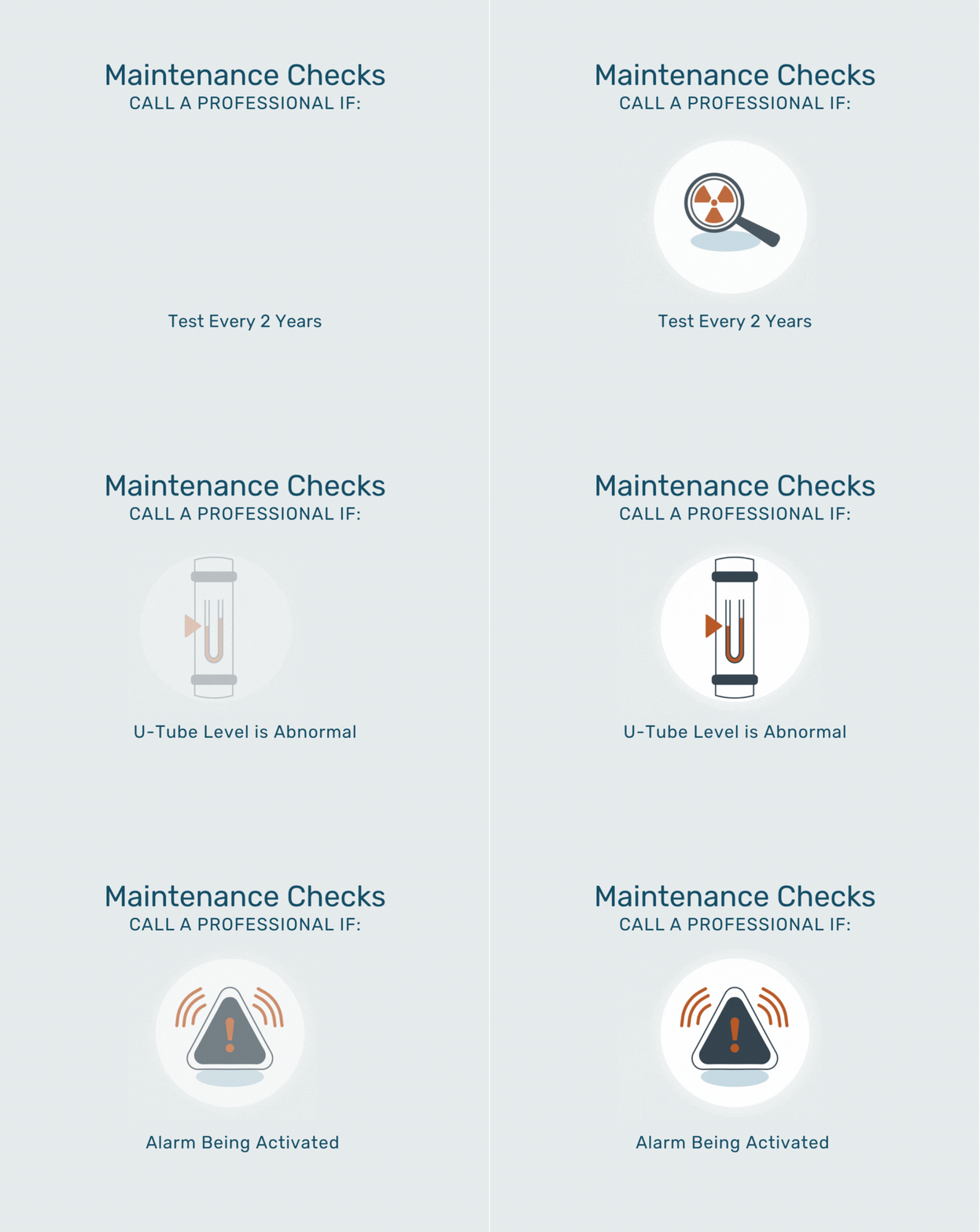
Check to see if the fan is plugged in and turned on. Make sure the breaker is not thrown. If the U-tube is on 0 and plugged in, then call our radon professionals to request maintenance on your system.

2. Fan noise changes or becomes loud.

Radon fans normally produce a low, steady hum. Sudden changes in sound or excessive noise may indicate a problem. Gurgling noises during heavy rain can be normal, but persistent loud sounds should be inspected by a professional.

3. System seal changes or leaks.

Check the U-tube and check the seals at the base of your system as well as around your sump pump (if applicable) to make sure there are no air leaks. Do this by running your hand along seams to see if you can feel air escaping.

4. If a pipe or fan is damaged.

Storms, falling branches, or exterior damage can compromise pipes or the fan itself. Any visible damage should be addressed by a certified radon mitigation professional as soon as possible.

Check the system’s monitor.

Most active radon mitigation systems include a manometer, indicator light, or alarm. Make it a habit to check this regularly. Each monitoring device comes with instructions that explain how to confirm the system is running properly.


If your system does not have a monitor, consider having one installed. A monitor provides an easy way to verify that the radon fan is operating as intended.

Note: passive radon mitigation systems typically will not have a monitor because they do not have an active radon vent fan. Your best way to monitor your passive radon system is to do radon tests during the different seasons of the year or long term tests. If your radon levels are high, you can activate the passive radon system.

Is your radon mitigation system alarm going off?

If you need to reset your radon mitigation system alarm, follow these instructions. 

Check the exhaust location. 

Proper exhaust placement is essential for preventing radon re-entry into the home. The vent should exhaust at least ten feet above ground level and four feet above any nearby window, door, or opening into conditioned space within ten feet. It should also be positioned away from mechanical intakes, such as evaporative coolers.


These guidelines help ensure radon gas is safely dispersed outdoors rather than re-entering the building at breathable height.

Check that the radon system covers the entire home. 

If you have a multi-level home, crawlspace, addition or just a lot of square footage, a simple radon system with one pipe and a fan may not be the right system for your home.


Usually, in homes and buildings that have more than one footprint, a radon mitigation system composed of multiple suction points is required. Conduct a radon test in multiple locations around your home and the basement as well as a room above the crawlspace or slab on grade if you have one.

If the radon system wasn’t installed for the entire footprint, you could still be at risk for radon entry.

There are several ways to check if your radon mitigation system is working properly. Working with experienced radon mitigation professionals ensures you have a system that’s installed correctly and will protect your family from radon gas. Contact our team at Protect Environmental to test your home for radon, install a radon mitigation system, or address any issues you may have with a previous installation.

Inspect My Radon System!

Make sure your radon system continues to function properly so that your indoor air is safe from radon gas.

Categories
Blog

Types of Radon Mitigation Systems

Radon mitigation systems use soil depressurization to reduce radon levels inside a building. These systems come in several forms and are customized for each home or structure. Understanding the types of radon mitigation systems can help you choose the best approach to lower your radon levels.

Exterior Installed Radon Mitigation Systems

Exterior systems place the pressurized components outside the home. Interior sections operate under suction. The radon fan is usually installed at knee height on the exterior wall. From there, the vent pipe rises past the eave of the home.


Building code requires the vent opening to sit more than ten feet above the ground. It must also be at least ten feet from any window or door that is not at least two feet below the vent point. The vent pipe should rise vertically to release radon into the air and prevent it from reentering the home.


Exterior systems are easy to service and install, which makes them a common option.

Attic Installed Radon Mitigation Systems

Attic installed systems keep most of the system hidden from view. They also help protect the pipes and fan from freezing temperatures outdoors. In many homes, the system is routed through the garage and then into the attic above it.


If the garage route is not possible, the installer may use closets or utility chases to reach the attic. Building code requires the radon fan to be installed in a ventilated attic space or outside the home, never in a living area. This placement keeps the home safe from potential leaks.

Passive Radon Mitigation Systems

Radon resistant new construction techniques can be used to prevent radon gas entry in new construction homes or buildings. Most radon resistant designs consist of a gas permeable layer of gravel under the concrete slab, a soil gas collection pipe buried within the gravel layer, a suction pipe that extends through an interior wall and the exhaust point above the roof of the home. A correctly installed passive radon mitigation system should also include the sealing of cracks and sumps in the concrete slabs and foundation. The passive radon systems work by creating a vacuum through natural stack effect in the suction pipes and can be converted to active radon systems by installing a radon vent fan. 

Radon Mitigation for Crawl Spaces

Crawl spaces are common radon entry points. Radon can rise through floorboards and enter the living areas above the space. To prevent this, the crawl space should be sealed with a strong, airtight vapor barrier. Once sealed, a radon mitigation system can create suction under the membrane to remove soil gases.

How do radon mitigation systems work?

Radon mitigation systems operate through active soil depressurization. The system creates a vacuum in the soil beneath the foundation. This vacuum draws radon gas into the suction point, then through the vent pipe, and releases it above the roof.

Sub-slab Depressurization

A hole is drilled through the concrete slab to reach the soil below. Soil is removed to create a collection point. Suction pipes connect to this chamber and lead to the radon fan. This is the most common type of radon mitigation system.

Drain Tile Depressurization

This method uses the home’s existing drain tile or sump system. The system creates suction within the drain network, allowing radon to be pulled from a wide area around the foundation.

Sub-membrane Depressurization

In crawl spaces, a vapor barrier covers exposed soil. Suction pipes pull radon from beneath this membrane.

Block Wall Depressurization

In homes with block wall foundations, the system draws radon out of the hollow wall cavities.


Test your home, school or residential building for radon, our team can test radon levels and install a mitigation system to help protect against health risks associated with this toxic gas.

Test My Home!

Professional radon testing is the first step to making your home a safe place to breathe.

Categories
Blog

Passive Radon Systems: Everything You Need to Know

Radon resistant new construction, also called RRNC, is a growing focus for new homes. These construction practices help control radon gas entry before a home is finished. A passive radon system is installed during the building process and uses the natural airflow of the home to reduce radon entry without a fan. This approach saves energy and is usually more affordable than retrofitting a system later.


Below is everything you need to know about passive radon systems, how they work, and why testing still matters.

What does a passive radon mitigation system installation look like for a new construction home?

Our certified radon technicians recently installed a passive radon system in a new home in Kiowa, Colorado. Including this system during construction gives the homeowner a strong start toward a safer indoor environment.


The installation includes a vent pipe from beneath the foundation that rises through the home and vents above the roofline. When the home warms and air rises, natural airflow helps pull soil gases up and out of the structure.

Continue to Test for Radon After a Passive Radon System Installation

There are several factors that can influence indoor radon levels including geological or environmental changes and seasonal variability. We recommend testing your air at home at least every 2 years with or without a mitigation system to ensure any outside influences haven’t impacted your indoor radon level. 

We have encountered cases where we visit homes to activate passive radon systems installed during the home’s construction to discover that the proper RRNC techniques were not followed.


Some of the issues we have found include incorrect PVC pipe sizes, unsealed cracks, improper pipe routes, all of which could put you at risk of radon exposure. Many homeowners are unaware. They were informed that their newly built home comes equipped with a radon system, leading them to believe they are protected.


Unfortunately, this can create a false sense of security, and many homeowners may not even test for radon gas assuming the system is functioning effectively. Just because your passive mitigation system is brand new along with the rest of your home, doesn’t mean that it is working to effectively reduce your radon levels.

Without the correct implementation of radon-resistant new construction techniques, homeowners may only have what appears to be an ineffective pipe labeled as a “radon system” in their basement. It’s crucial to address these issues to ensure the safety of residents and educate them on the importance of proper radon mitigation measures.

How Passive Radon Mitigation Works

Passive radon systems rely on air pressure differences inside the home. Warm air rises and creates an upward flow. This natural movement can create a slight vacuum on the foundation. When a passive system is installed correctly, this upward pull helps move radon gas from beneath the slab through the vent pipe and out above the roof.


It is important to work with licensed and certified radon professionals. A poorly designed system can fail to reduce radon and may even make radon entry worse. No matter what type of system you have, testing is the only way to confirm your radon level.


Test your radon levels every one to two years. Test in both heating and cooling seasons to understand how radon changes throughout the year.

If you are building a new home:
  • Educate yourself about the dangers of radon gas.
  • Learn about the existing RRNC guidelines.
  • Ask your builder if they are RRNC educated.
  • Insist that a certified radon mitigation company such as Protect Environmental installs the passive radon system.
  • Document the system installation, take photos and ask questions.
  • Make certain to test the home for radon gas after the build is complete.
  • If radon levels are above the EPA recommendations activate the passive radon system with a radon fan and test again.
If you live in a home with a passive radon mitigation system:
  • Test for radon gas at least every two years.
  • Check your foundation for cracks and seal any new openings

  • Call your local radon contractor to inspect the system design.
  • Do not assume that you are protected from radon if you haven’t performed a radon test.

I have a passive radon system and elevated radon levels - what do I do?

Your passive radon system may be installed properly, yet it’s still possible to get elevated radon levels. Because your home was built with the infrastructure to mitigate for radon, activation of your system is quick and relatively easy.


Call your local certified radon mitigation contractor to activate your system. If your system is up to code, this just requires a fan and electrical hookup! Once activated, a follow-up radon test can determine that your levels are reduced.

Passive radon mitigation is a great way to reduce radon gas if the system is installed correctly. They can be easily activated if radon levels remain high and are nicely hidden within the home. These systems may help reduce lung cancer risk for you and your family but always be certain that the passive system was installed correctly and is working properly. If you need help inspecting a passive radon system or testing your home for radon, contact the licensed professionals at Protect Environmental.

Test My Home!

Professional radon testing is the first step to making your home a safe place to breathe.

Categories
Blog

Types of Radon Tests

Keeping your home safe involves more than just locking doors and windows; it also means being aware of invisible threats like radon gas. Radon is a naturally occurring radioactive gas that can build up indoors and is the second leading cause of lung cancer in the United States. Radon testing is the only way to know your home’s radon level, so knowing the different types of radon tests is important. 

Testing for radon is the first step in protecting your family from exposure. 

In this article, we’ll explore the different types of radon tests available, from short-term and long-term kits to advanced continuous monitoring systems like our proprietary Radon Sentinel™ Radon Measurement System 

What is Radon Testing?

Radon testing measures the concentration of radon gas in a home or building. It uses detectors or monitors placed in specific locations for a set period of time. These tools show whether radon levels exceed safety guidelines. Results help homeowners take the right steps to reduce risk and protect indoor air quality.

Regular radon testing helps track changes over time. It also supports a safer living environment for you and your family.

What are the Different Types of Radon Tests?

There are several types of radon testing devices. Each serves a different purpose and offers its own benefits. Learning about these options helps you choose the best approach for your home.

The most common include:

  • Short-Term Test Kits: These are typically used for initial screening and provide results quickly, usually within 2 to 7 days. They include activated charcoal canisters, electret ion chambers, and alpha track detectors.
  • Long-Term Test Kits: These devices, such as alpha track detectors and electret ion chambers, remain in the home for an extended period, typically 90 days to a year, offering a more full picture of the average radon level in the home over time.
  • Continuous Radon Monitors (CRMs): These electronic devices continuously measure radon levels over time. Depending on its calibration, a CRM can record a radon level every hour for 48 hours and then provides the average of those levels to determine your result. Our proprietary Radon Sentinel™ Radon Measurement System, a leading product in this category offered by Protect Environmental, provides active radon monitoring and detailed reporting, making it a preferred choice for both residential and commercial radon risk analysis.
Types of Radon Tests
Radon Test Types - test kit
Charcoal Test Kits
Long-Term Tests
Active Continuous Radon Monitor

How Do The Different Radon Tests Work?

Each type of radon test has its own way of detecting and measuring radon levels. 

  • Short-Term Test Kits: Activated charcoal canisters absorb radon gas. A laboratory analyzes the canister to determine radon concentration. Electret ion chambers and alpha track detectors also capture radon particles for lab review.
  • Long-Term Test Kits: These tests work in a similar way but remain in place for a longer period. This produces an average level that accounts for radon changes due to weather and seasonality.
  • Continuous Radon Monitors (CRMs): A CRM uses sensitive electronic components to read radon levels frequently. It records and stores data for quick reporting. Only certified radon professionals conduct CRM testing. Contact your home inspector or work with our Protect Environmental team to schedule CRM radon test for your home. 

How Long Does It Take to Get the Results?

The time it takes to get radon test results depends on the type of test you use. Some tests provide results within a few days, making them ideal for initial screenings, while others take longer but offer a more detailed picture of radon levels over time. 


  • Short-Term Test Kits: Results are typically available within a week after the testing period ends (depending on shipping times) as the kit is mailed to a laboratory for analysis.
  • Long-Term Test Kits: These require 90 days to a year for data collection, with results available shortly after the testing period depending on shipping times and lab analysis turnaround times.
  • Continuous Radon Monitors (CRMs): Because radon test results are electronically recorded, reports with your test results can be provided within just a few days depending on your provider.

Which Type of Radon Testing Is Better to Use?

Each testing method has its advantages, so consider your situation and the level of detail you need when deciding which test is best for you. Please keep in mind, that the best radon test to use is any test! 

  • Short-Term Test Kits are ideal for initial screening and quick results.
  • Long-Term Test Kits provide a more detailed average radon level as the sample is collected over an extended period, making them suitable for comprehensive assessments. Since radon levels can fluctuate with changing seasons, temperature, and weather, long-term tests help you understand a more full picture of the radon levels in your home.
  • Continuous Radon Monitors (CRMs) provide electronic results within a short turnaround time and include a more detailed analysis with continuous active monitoring technology for a more detailed understanding of your radon risk.

What is a Safe Level of Radon?

The EPA recommends taking action at 4.0 picocuries per liter or higher. Since no radon level is completely safe, homeowners should aim to reduce radon as much as possible.

What Comes After Radon Testing?

If radon is detected in your home, taking steps to mitigate is crucial for ensuring a safe living environment. A licensed radon professional can assess your situation and recommend an appropriate solution tailored to your home’s needs.

Radon mitigation involves the process of ventilating radon gas out of your home. Depending on your home’s construction, radon is usually collected from beneath concrete slabs or membranes and then vented outside through a pipe system that extends from the ground up through or past the roofline. A fan, which can be installed in the attic or on the outside of the home, helps to draw radon gas out of the soil beneath the foundation and exhaust it safely into the outdoor air. 

raodn-mitigation-louisville-ky

Many mitigation systems include alarms to alert you if the system stops working. We recommend having your mitigation system inspected each year to ensure performance.

The installation of radon mitigation systems can often be completed within a day, though this timeframe may vary depending on factors such as the size and layout of your home and the type of foundation. After installation, be sure to have a follow-up radon test conducted to be sure the installed system is working to reduce radon in your home to the lowest possible level.

Schedule a Radon Test With Our Experienced Team

Radon testing is an essential step in ensuring a safe indoor environment at home. 

Understanding the different types of radon tests available can help homeowners and building managers make informed decisions about ensuring the health and safety of the indoor air for their home or commercial building. 

For more information on radon testing and professional radon services, explore our residential radon services and request service today!

Test My Home!

Professional radon testing is the first step to making your home a safe place to breathe.

Categories
Blog

The Top 8 Things You Need To Know About Radon

Radon is the leading cause of lung cancer among non-smokers in the United States and the second leading cause overall, following smoking. Worldwide, radon exposure is linked to about 14% of all lung cancer cases, with even higher risks among smokers. Below are eight essential things you need to know about radon and why testing your home or building matters.

1. Radon Exposure is Dangerous

The Surgeon General and the US Environmental Protection Agency (EPA) recommend testing for radon gas and mitigating when high levels are present. According to EPA recommendations, radon levels exceeding 4.0 picocuries per liter (pCi/L) pose a health risk and should be mitigated. 

The EPA also notes levels below 4.0 pCi/L can still pose a health risk as does the World Health Organization, which recommends mitigation if radon levels exceed 2.7 pCi/L. Even a reading of 1.0 pCi/L is equivalent to smoking 2.5 cigarettes daily. Technically, no amount of radon gas levels are considered to be safe. Any presence of radon gas increases your risk of getting cancer.  

2. What is Radon?

Radon is a naturally occurring radioactive gas created by the decay of uranium in soil and rock. It is colorless, odorless, and tasteless, and can enter any home or building as it moves upward from the ground.


Breathing radon damages lung tissue over time, which can lead to lung cancer. Elevated radon levels are more common than many people realize—the EPA estimates that 1 in 15 U.S. homes has a high radon level.


The only way to know if radon is present is through testing.

3. How Do You Test For Radon?

Does your home, school or business have dangerous levels of radon gas? The first step is to test.

Testing is a fairly straightforward process. You may choose to test your home yourself with an charcoal test kit or to call radon professional with a more detailed CRM testing device. 

Doug Testing Brighter

4. How Often Do I Need To Test for Radon Gas?

Many properties may be required to test for radon including multi-unit buildings, home daycare centers, retirement homes, and more depending on their specific regulatory or funding requirements.

For homeowners, radon testing should be part of home maintenance, like cleaning your gutters to prevent leaks or checking your foundation for cracks to avoid moisture from seeping in. Experts recommend testing for radon at least once every 2-3 years to be safe.

Real Estate Transactions: Before buying a home, it should be standard practice to conduct a radon test. Many states require that homes be tested as part of a real estate transaction. This test typically occurs around the same time as the home inspection. Learn more about radon mitigation in real estate transaction.

Post-Mitigation: The EPA recommends that homes with mitigation systems be tested for radon again every two years. Since testing is the only way to know the radon levels in a home or building, follow up testing helps ensure the mitigation system continues to function properly.

After Remodels: If you have remodeled your home (including changing the design of your HVAC in a room) it is recommended that you test for radon. Remodeling can cause the building’s airflow to change and create new entry points for radon to come in.

5. What Happens If My Radon Level Exceeds the EPA Limits?

When you test for radon and the levels exceed the EPA limit, the next step is to have a professionally installed radon mitigation system. In short, this process reduces the radon in your home to a safe level. Talk to a certified radon mitigation specialist on the next steps.

how a radon mitigation system works animation

Several variables will impact the success of your radon mitigation system. Your home’s structure and foundation are two important considerations.

The Foundation Of Your Home Or Building

If your home sits on gravel or another porous base, radon is easier to remove. Homes built on dense soil, wet ground, or rock often need a stronger system or larger fan. Multiple foundations or additions may require more than one mitigation system.

The Structure Of Your Home Or Building

Radon systems often include three- to four-inch piping routed from the foundation to the roofline. If a straight path isn’t possible, bends and joints must be sealed correctly to prevent leakage.

If you are building a new home, consider including a passive radon mitigation system as part of the plans for your new home.

6. Will Sealing Foundation Cracks Reduce Radon Levels?

The air pressure in your home is lower than what’s found underneath your foundation. This creates a vacuum effect that can suck the radon gas through cracks or openings in your foundation.

Unfortunately, reducing radon levels is not as simple as sealing and patching cracks or openings. While the EPA says that sealing cracks and openings is a basic part of radon mitigation, radon can still enter your home in other ways, such as through sump pumps or water supplies. As your foundation ages, new cracks can occur. Caulking and other methods of sealing have a limited life span. Block wall foundations can be difficult to seal properly because of their construction. On top of all of that, hairline cracks are easy to miss and can turn into significant entry points for radon gas.

These are just some reasons the EPA does not recommend sealing as a stand-alone solution. Tests show sealing alone does not significantly or consistently lower radon levels. Normal settling, the EPA says, can continuously open new routes or re-open old ones.

Sealing cracks and openings should be part of the process of reducing radon levels, it only works in conjunction with an effective radon mitigation system.

7. How Much Does It Cost To Lower Radon Levels?

The cost of radon mitigation will vary depending on all the factors we’ve already mentioned. The size of your home, the design, and the mitigation system that is required will also need to be factored in.

Radon mitigation will have a similar cost as other common repairs you might do around your home.

After installation, you should only see a slight increase in your utility bill for powering your fan. Most people don’t even notice a difference in their energy usage.

raodn-mitigation-louisville-ky

8. How to Find A Qualified Radon Contractor

Most states require radon professionals to be licensed, certified, or registered, so a good place to start is with the state agency that oversees air quality. You can find a list of state agencies on the EPA’s website.

The EPA also recommends using a professional radon contractor that meets these set of requirements:

  • Implements radon testing before designing or installing a mitigation system.
  • Installation of a warning device to warn you if the system fails.
  • Post-installation testing for verification that radon levels have been reduced.
  • State certification, professional proficiency, or other acceptable certification.
  • Bonded and insured.
  • State and/or local licensing if required
  • These items should be included in any proposal or contract along with a guarantee that the mitigation system will reduce radon levels to below 4.0 pCi/L. 

Take the First Step to Address Radon

Radon exposure is cumulative. The longer you are exposed to radon gas, the more impact it can have on your health and the development of lung cancer. Symptoms can go undetected for a long time. If you aren’t conducting regular tests, you could be exposing yourself to danger before any symptoms present themselves.

The first step is to conduct a test for radon gas levels. Since you can’t see or smell this deadly gas, testing is the only way to know if it’s in a home or building. If tests show there’s a problem, radon mitigation can significantly reduce the danger.

Test My Home!

Professional radon testing is the first step to making your home a safe place to breathe.

Categories
Blog

How to Reduce Your Exposure to Radon Gas

Exposure to radon, an invisible and odorless gas, poses a serious health risk in homes, offices, schools, and other indoor spaces. Understanding the risks is the first step to protecting yourself and your family. This guide outlines simple, effective ways to reduce radon exposure. You’ll learn how radon enters buildings, how to test for it, what to do if levels are high, and how to maintain a mitigation system over time.

Exposure to radon can be reduced by following these steps.

1. Learn about the risks of radon gas exposure. 

Radon is an invisible, odorless gas that you cannot detect without a test. It releases alpha radiation that harms lung tissue over time. Homes, apartments, offices, and schools can all contain elevated radon levels. Basements, slabs, and crawlspaces are especially vulnerable. Some regions have higher averages, but no area is completely free from radon risk. Levels also tend to rise during the winter when buildings are closed tightly.

2. Evaluate the radon levels in your home.

Testing is the only way to know your radon levels. A certified radon professional offers the most accurate results, but you can also use a DIY radon test kit. Protect Environmental provides professional testing, and you can purchase a radon test kit through our partners at RAdata. Testing helps you understand whether your home needs mitigation.

3. If radon tests are high, contact a certified radon mitigation company.

If a DIY test shows elevated radon levels, contact a certified mitigation contractor. Start by reviewing their ratings on reputable review sites to learn about customer experiences. Confirm they hold the correct license and insurance for your area. Make sure the business has a legitimate local office by searching the address online. This research helps ensure you choose a qualified, trustworthy radon mitigation company.

4. Prepare your home for the radon system installation.

Before installation, remove stored items near cracks in concrete floors so the technician can seal them properly. If you have an older sump pump, consider replacing it before the sump is sealed with a lid. Identify any crawlspace areas, and confirm the mitigation team plans to seal the crawlspace as part of the system.

5. Re-test to ensure you’re protected.

Re-test every two years to monitor radon levels across different seasons. Radon can fluctuate throughout the year, especially during colder months, so periodic testing provides a more complete picture. Long-term radon test kits can also help you track ongoing exposure. Keeping radon levels low supports a healthier indoor environment.

6. Maintain your radon system.

Check your system’s vacuum gauge regularly to confirm it is running properly. Seal any new cracks in concrete floors so radon cannot enter through them. Keep the sump cover sealed tightly, and check the crawlspace membrane for tears if your system includes one. Small maintenance steps help your system work at peak performance.

Radon mitigation systems are highly effective at reducing radon exposure. If you want peace of mind about your radon levels or need a DIY test kit, our team is here to help, please feel free to contact us.

Test My Home!

Professional radon testing is the first step to making your home a safe place to breathe.

Categories
Blog

Understanding Radon Measurement: What is pCi/L?

You may not be familiar with the term pCi/L, and that is completely normal. It stands for picocuries per liter, which is the standard way to measure radon levels in indoor air. This unit tells you how much radon is present in the air you breathe, and it is the number professionals use to determine if your home is within a safe range or if action is needed.

Radon is an invisible and odorless gas that forms naturally as uranium in the soil, rock, and water breaks down. It can enter your home through small openings and build up over time, which can create a real health risk if it is not tested and reduced.

So, why should you care about pCi/L? It’s all about understanding the concentration of radon in your indoor air. Let’s break down this measurement and what it means for your safety.

What is pCi/L, and What Does pCi/L Stand For?

pCi/L, meaning picocuries per liter, is the unit used to measure radon levels. A picocurie is one trillionth of a curie, a unit of radioactivity. In simple terms, it indicates the number of radioactive decay events from radon occurring in one liter of air per second.

How is Radon Measured?

Radon is typically measured using devices like:

  • Short-term radon detectors, which monitor levels for 2-7 days.
  • Long-term radon tests, which provide a more accurate average over several months.

Both methods detect the rate of radioactive decay in the air, providing results in pCi/L.

What is pCi/L? What pCi/L means?

What Are Safe Radon pCi/L Levels?

No level of radon exposure is entirely risk-free, but the EPA recommends action when radon levels reach 4.0 pCi/L or higher. 

Here’s a breakdown of risk categories:

  • Low Risk (Below 2.0 pCi/L): These levels are generally considered safer, with minimal associated health risks. Regular testing is still important because radon levels can fluctuate due to seasonal changes or structural shifts in your home.
  • Moderate Risk (2.0–4.0 pCi/L): This range does not mandate immediate action, but radon exposure can still pose long-term risks, especially with prolonged exposure. Many homeowners choose to take proactive measures, like sealing foundation cracks or installing a mitigation system, to minimize radon levels further.
  • High Risk (Above 4.0 pCi/L): Levels at or above 4.0 pCi/L require immediate intervention. Radon mitigation systems are highly effective at reducing concentrations to safer levels. The EPA states that reducing radon levels below this threshold significantly decreases health risks, particularly for smokers, who are at an elevated risk of radon-induced lung cancer.

How to Interpret Radon pCi/L Levels

When you receive radon test results in pCi/L, understanding the levels helps you decide on the next steps:

  • Below 4.0 pCi/L: Monitor levels periodically, especially in high-risk areas.
  • Above 4.0 pCi/L: Take steps to reduce radon exposure through mitigation systems.

Put into perspective:

  • 4.0 pCi/L: At this level, the radon exposure is comparable to receiving 200 chest X-rays per year or smoking eight cigarettes daily. The EPA recommends taking corrective actions once radon levels reach this threshold in your home.
  • 8.0 pCi/L: This level doubles the risk, equating to 400 chest X-rays annually or smoking 16 cigarettes daily. The health implications become increasingly severe, and immediate remediation is critical.
  • 20.0 pCi/L: Exposure here is akin to undergoing 1,000 chest X-rays a year or smoking 40 cigarettes every day. At this concentration, the risks of long-term health issues, including lung cancer, are substantially heightened.

What to Do if You Have High Radon Levels

When radon levels in your home are above 4.0 pCi/L, immediate action is recommended to reduce the risk of exposure. Here are the steps you should take to address elevated radon levels:

  1. Install a Mitigation System: Radon mitigation systems reduce indoor radon by venting it outside. You can learn more about residential radon mitigation services here.
  2. Seal Entry Points: Cracks in foundations and walls can be sealed to minimize radon infiltration.
  3. Maintain Systems: Ensure ongoing effectiveness through system maintenance services.

For expert help, request a service from professionals who can assess and address your radon concerns.

What Are the Risks of Elevated Radon Levels?

Long-term exposure to radon increases the risk of developing serious respiratory illnesses and even cancer. 

The risk depends on:

  • Exposure Duration: Higher radon levels over long periods increase health risks.
  • Smoking Status: Smokers exposed to high radon levels face an exponentially higher risk.

Luckily, the technology we have today to combat rising radon levels is incredibly effective, and testing is highly reliable.

what is pCiL

Short-term Radon Test: Liquid Scintillation Test Kit

Radon-testing-PPC-header-image-01

Short-term Radon Test: Continuous Radon Monitor

How to Properly Monitor and Identify Radon Problems

Radon monitoring is essential to ensure a safe living environment, especially in areas prone to high gas levels. Since radon levels can fluctuate due to weather, seasons, and home conditions, consistent and thorough testing practices are necessary. 

Here are expanded tips for effectively monitoring and identifying radon issues in your home:

  • Test your home at least every two years or annually in high-radon regions.
  • Use both short-term and long-term testing for accurate results.
  • Test lower levels of your home, such as basements, where radon is most concentrated.

You can check radon levels in your area using this radon level search tool.

Understanding radon and its measurement in pCi/L is key to protecting your health. 

Regular testing, proper interpretation of results, and timely mitigation efforts ensure safer indoor environments for you and your family. 

Don’t wait. Our team at Protect Environmental can test your home and install effective radon mitigation solutions that help protect you and your family.

Find Your Local Office

What's Your Radon Risk?

Enter your zip code to learn about the radon levels near you.

what's your radon risk?

0% APR

FOR 24 MONTHS

Finance Your Radon Mitigation Installation

Offer Ends: 2/29/24

USE CODE: LoveYourLungs